Category: Marketing

  • Harnessing the Power of Mobile: Optimizing Your Dealership for Smartphone Shoppers

    Harnessing the Power of Mobile: Optimizing Your Dealership for Smartphone Shoppers

    In today’s fast-paced digital landscape, the smartphone reigns supreme as the consumer’s tool of choice, influencing buying decisions across the board. For independent car dealership owners, this shift underscores a critical priority: mobile optimization for car dealerships is no longer optional–it’s essential. According to recent studies, over 60% of automotive searches are conducted on mobile devices, highlighting the urgent need for car dealers to focus on creating a seamless mobile experience. This is especially important for small, independent dealerships aiming to compete in a crowded market where even a slight edge in mobile performance can translate into increased customer engagement and sales.

    The modern car buyer responsive design for car dealerships and displays beautifully on any device, ensuring a smooth navigation experience. This blog post will delve into the essentials of mobile optimization for auto dealers, equipping you with actionable insights to optimize your car dealership mobile site effectively. From mobile SEO for the automotive industry to the integration of user-friendly navigation, learn how to transform your digital presence into a powerful tool that attracts today’s smartphone-savvy shoppers and elevates your dealership in the digital marketplace.

    Understanding Mobile Behavior in Car Shopping

    In today’s digital landscape, mobile devices play a crucial role in how consumers engage with products and services, and car shopping is no exception. As mobile optimization for car dealerships becomes increasingly essential, understanding the mobile behavior of car buyers can help dealerships tailor their strategies to capture and convert leads effectively.

    Trends in Mobile Automotive Searches

    The automotive industry has witnessed a significant shift toward mobile searches, with a substantial portion of car buyers starting their purchasing journey on smartphones. According to recent studies, over 60% of automotive searches now occur on mobile devices, indicating a clear preference for convenience and accessibility. This trend is reshaping car shopping behavior, as consumers turn to their phones for everything from initial research to comparing vehicle prices and specifications. By embracing mobile optimization for auto dealers, independent dealerships can ensure they remain visible and competitive in this mobile-centric environment.

    The Mobile Customer Journey

    Understanding the mobile customer journey is essential for optimizing touchpoints that influence purchasing decisions. Typically, this journey begins with a discovery phase, where potential buyers search for vehicles online, often using specific keywords like “best SUV 2023” or “affordable electric cars.” As they progress, they enter the research phase, exploring detailed vehicle listings and reviewing customer feedback. Here, having a responsive design for car dealerships is crucial to ensure seamless navigation across different devices. The final stage involves direct engagement through calls or online inquiries, where a well-optimized mobile experience can significantly enhance lead conversion.

    Importance of Mobile Optimization for Car Dealerships

    Optimizing for mobile is not just an optional strategy — it is a vital component of a dealership’s digital marketing efforts. A mobile-friendly site ensures that potential buyers can easily access vehicle information, view high-quality images, and navigate smoothly without technical hitches. Car dealer mobile site optimization helps improve user experience, reduces bounce rates, and increases the likelihood of converting visitors into customers. Furthermore, mobile SEO for the automotive industry enhances search engine rankings, making it easier for local buyers to find your dealership. By investing in mobile optimization, independent car dealerships can effectively reach and engage the growing number of smartphone shoppers.
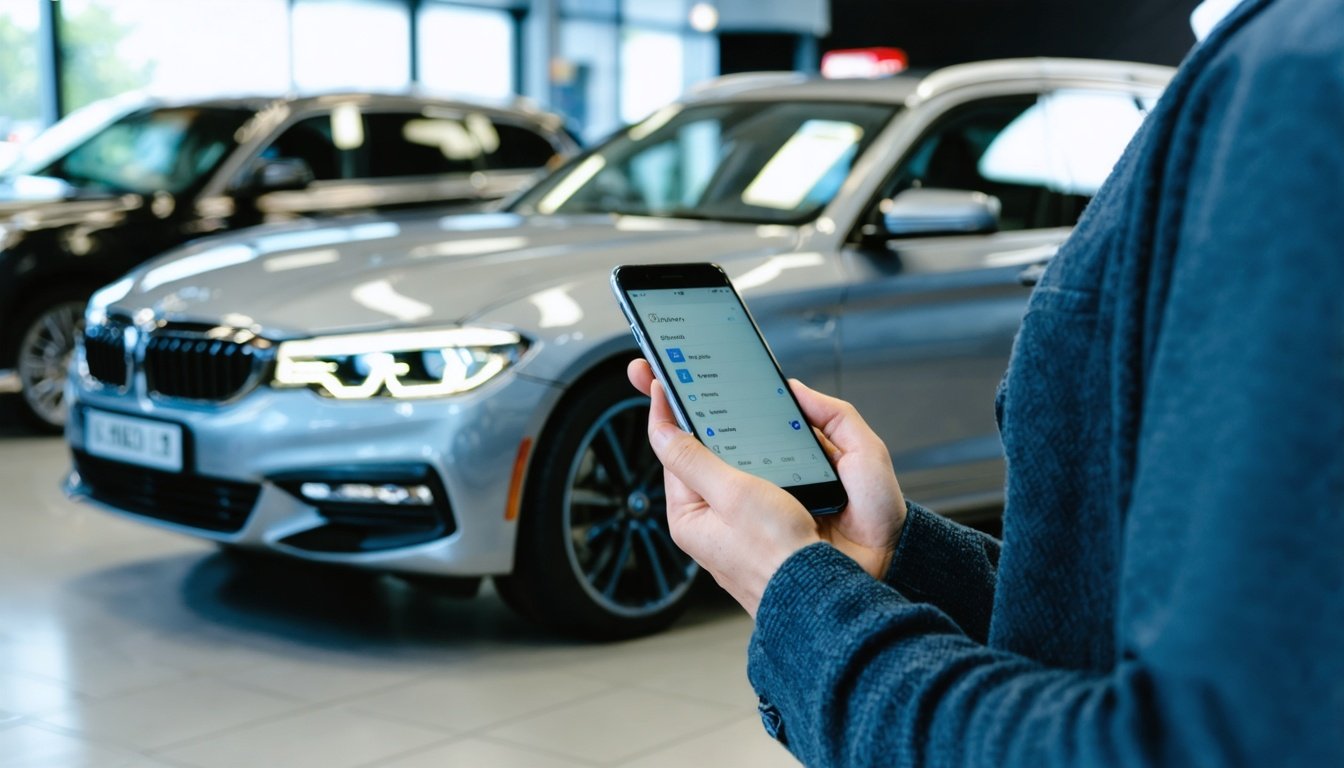
    mobile optimization for car dealerships - Understanding Mobile Behavior in Car Shopping for independent car dealerships

    Key Elements of Mobile Optimization for Auto Dealers

    In today’s digital landscape, mobile optimization for car dealerships is no longer optional; it is essential. With the majority of consumers using smartphones to browse for cars, it’s imperative for independent dealerships to ensure their websites are mobile-friendly. By leveraging mobile optimization for auto dealers, you can significantly enhance user experience, boost search engine rankings, and ultimately drive more traffic and sales to your dealership.

    Responsive Design for Car Dealerships

    Responsive design for car dealerships is crucial in ensuring that your website functions seamlessly across various devices and screen sizes. A responsive design automatically adjusts the layout of your website to fit the screen of the device being used, whether it’s a smartphone, tablet, or desktop. This adaptability minimizes the need for users to zoom or scroll excessively, providing a smoother and more enjoyable browsing experience. Implementing responsive design not only improves user engagement but also positively impacts your search engine rankings, as search engines like Google prioritize mobile-friendly sites in their search results.

    Mobile SEO for the Automotive Industry

    Optimizing your dealership’s mobile site visibility in search engines is a vital component of mobile SEO for the automotive industry. Begin by ensuring that your site loads quickly on mobile devices, as speed is a critical factor that search engines consider when ranking pages. Use tools like Google’s PageSpeed Insights to identify and rectify any performance issues. Additionally, incorporate structured data markup to help search engines understand the content of your pages better, enhancing your visibility in search results. Creating mobile-friendly content with concise paragraphs, clear headings, and optimized images also plays a significant role in improving your site’s search engine performance.

    Streamlining Mobile Navigation

    Designing intuitive mobile navigation is key to enhancing user experience and reducing bounce rates. Clear and straightforward navigation helps users find the information they need quickly and efficiently. Consider using a hamburger menu, which saves space on smaller screens while providing easy access to your site’s main sections. Additionally, ensure that all buttons and links are adequately sized for tapping on a touchscreen, as this can prevent user frustration and accidental clicks. By streamlining mobile navigation, you create a user-friendly environment that encourages visitors to explore your inventory and engage with your dealership.

    By focusing on these key elements of mobile optimization for auto dealers, you can create a compelling online presence that meets the needs of today’s smartphone shoppers. From responsive design to effective mobile SEO strategies, each component plays a vital role in optimizing your car dealership mobile site, ensuring your business remains competitive in the digital age.

    mobile optimization for car dealerships - Key Elements of Mobile Optimization for Auto Dealers

    Best Practices for Car Dealership Mobile Optimization

    In today’s digital age, mobile optimization for car dealerships is more crucial than ever. With a significant portion of consumers using their smartphones to shop for vehicles, ensuring your dealership’s website is mobile-friendly is key to capturing leads and boosting sales. Here are some best practices to optimize your car dealership mobile site effectively.

    Improving Page Load Speed

    One of the most important aspects of mobile optimization for auto dealers is ensuring fast page load speeds. A slow-loading website can frustrate users, leading them to abandon the site before exploring your inventory. To optimize car dealership mobile site speed, consider compressing images and utilizing browser caching. Image compression reduces file size without sacrificing quality, while browser caching allows returning visitors to load content faster by storing data locally. Additionally, minimizing JavaScript and CSS files can significantly enhance load times. A fast-loading site not only improves user experience but also boosts your site’s search engine ranking, an essential factor of mobile SEO for the automotive industry.

    Mobile-Friendly Website Design

    Responsive design for car dealerships ensures that your site looks great and functions well regardless of the device used. A mobile-friendly website design should include easy navigation, clear call-to-action buttons, and text that is readable without zooming. Simplifying the layout and prioritizing essential features can enhance user experience. For instance, implementing a sticky menu allows users to access important sections of your site effortlessly. Additionally, ensure that vehicle images and descriptions are prominently displayed, as mobile users often skim for quick information. By focusing on these design principles, you can improve car dealer mobile site optimization significantly.

    Leveraging Mobile Marketing Strategies

    Effective mobile marketing strategies can drive more traffic to your dealership’s mobile site. Consider utilizing local SEO techniques to target potential customers in your area. This includes optimizing your Google My Business listing and including local keywords on your site. Social media marketing can also amplify your reach. Create engaging, mobile-friendly content such as videos or virtual tours of your showroom and inventory. These formats resonate well with mobile users and encourage sharing, expanding your reach. Furthermore, mobile ads on platforms like Facebook and Instagram can target specific demographics, driving more potential buyers to your site. By leveraging these strategies, you can enhance your dealership’s visibility and attract more smartphone shoppers.
    mobile optimization for car dealerships - Best Practices for Car Dealership Mobile Optimization

    How to Optimize Mobile Site for Car Dealers

    In today’s digital era, car buyers increasingly rely on smartphones to research vehicles, compare prices, and even make purchases. As an independent car dealer, ensuring your website is mobile-friendly is crucial for reaching these potential customers and staying competitive. Mobile optimization for car dealerships is not just a trend–it is a necessity. This guide will walk you through the essential steps to optimize your car dealership’s mobile site effectively.

    Assessing Current Mobile Site Performance

    The first step in mobile optimization for auto dealers is to evaluate your current mobile site performance. Start by using tools like Google’s Mobile-Friendly Test and PageSpeed Insights to analyze your site’s loading speed and mobile usability. Look for indicators such as how quickly your site loads on mobile devices and how easy it is for users to navigate. Pay attention to user interface elements like buttons, links, and form fields–ensure they are large enough and accessible without zooming in. Identifying these areas will give you a clear view of what needs improvement and help you prioritize tasks.

    Implementing Mobile SEO Improvements

    Once you understand your site’s current state, it is time to implement mobile SEO improvements. Optimize your car dealership mobile site by focusing on responsive design for car dealerships. This ensures your site adjusts seamlessly to various screen sizes, providing a consistent user experience across all devices. Additionally, use structured data markup to enhance your site’s search visibility and integrate Google Vehicle Listings to reach more potential car buyers. Implement mobile SEO for the automotive industry by ensuring your content is properly indexed and optimized for mobile search queries. Regularly update your site with SEO-optimized pages that include relevant keywords like “mobile optimization for car dealerships” naturally within the content to boost search engine rankings.

    Customizing Content for Mobile Users

    Finally, focus on customizing content for mobile users. Content should be concise yet informative, capturing the attention of users who may be on-the-go. Use compelling images and videos to showcase your inventory, but ensure these media files are optimized for fast loading. Text should be broken into short, digestible paragraphs, making it easy for users to read on smaller screens. Also, consider mobile-specific features like click-to-call buttons and location-based services to enhance user engagement and encourage direct interactions with your dealership. By tailoring your content for mobile users, you improve the overall experience, ultimately driving more conversions and customer satisfaction.

    In today’s digitally driven marketplace, embracing mobile optimization for car dealerships is no longer optional. The strategies we have explored reveal that optimizing your car dealership mobile site is crucial for gaining a competitive edge. With more consumers turning to their smartphones for car shopping, your dealership must prioritize mobile SEO for the automotive industry. By ensuring your website is responsive and provides a seamless user experience, you position your dealership to capture the attention of mobile-first consumers.

    As we discussed, implementing responsive design for car dealerships and leveraging tools like AutoFire™ can dramatically enhance your site’s mobile effectiveness. These improvements not only align with changing consumer behaviors but also extend your reach in the market. Mobile optimization for auto dealers is an investment in your dealership’s future, enabling you to meet the needs of a tech-savvy customer base. Therefore, take proactive steps to optimize your car dealership mobile site today and watch your customer engagement and sales grow.

    Don’t let your dealership fall behind. Act now to leverage the power of mobile optimization and solidify your presence in the competitive automotive market. Your mobile customers are just a click away — make sure your dealership is ready to meet them where they are.

  • From Clicks to Keys: How Independent Dealerships Can Convert Online Browsers into Buyers

    From Clicks to Keys: How Independent Dealerships Can Convert Online Browsers into Buyers

    In today’s digital age, where nearly 60% of car buyers begin their journey online, the shift from traditional dealership visits to virtual browsing is undeniable. For independent car dealership owners, this trend presents both a challenge and an opportunity. As potential buyers increasingly rely on the internet to research and select their next vehicle, having a robust digital presence is crucial for capturing and converting these online browsers into loyal customers. This is where understanding and optimizing your online car sales conversion becomes pivotal.

    For small dealerships striving to compete against larger franchises, the ability to boost online car sales conversion can make all the difference. Statistics reveal streamlined digital experience auto sales conversion rates, driving a dealership’s success in the competitive automotive market. This blog post delves into proven strategies to increase online car sales by focusing on car sales conversion optimization. By applying these insights, you can elevate your dealership’s online presence and turn clicks into keys, ensuring that every digital interaction counts towards a successful sale.

    Understanding the Online Car Shopper Journey

    In today’s digital-centric world, understanding the online car shopper journey is crucial for independent boost online car sales now embark on a comprehensive path before making a purchase, leveraging the internet as a primary tool for research and decision-making. By gaining insights into this journey, dealerships can better tailor their strategies to optimize car sales conversion rates and ultimately increase online car sales.

    initial research phase

    The journey often begins with potential buyers entering the initial research phase. Here, car shoppers search engines to gather vehicles, features, and pricing. They are looking for reviews, expert opinions, and user experiences that can guide their decisions. At this stage, dealerships must ensure their websites are SEO-optimized to appear in relevant searches, providing the detailed and helpful content that potential buyers are seeking. This begins the process of car sales conversion optimization by capturing the interest of informed and motivated buyers.

    Comparison and Evaluation

    Once armed with initial research, buyers move into the comparison and evaluation phase. Here, they scrutinize different vehicles and dealerships, comparing factors like pricing, features, and customer service. The dealership’s online presence plays a pivotal role in this stage. A modern, responsive website with detailed inventory listings, high-quality photos, and comprehensive vehicle descriptions can significantly influence a buyer’s perception. Tools such as AutoFire™’s FireCompare can aid buyers in making side-by-side comparisons, further improving auto sales conversion online by enhancing the user’s evaluation experience.

    Decision-Making and Purchase

    The final step in the shopper’s journey is decision-making and purchase. A dealership’s ability to provide a seamless online experience can greatly impact the final decision. Ensuring that potential buyers can easily navigate the website, find contact information, and even begin the purchasing process online can lead to higher conversion rates. Additionally, offering features like VIN Decoder and priority support can reassure buyers, facilitating a smooth transition from online browsing to purchasing. By understanding these stages and strategically enhancing their digital presence, dealerships can significantly boost their online car sales conversion.

    online car sales conversion - Understanding the Online Car Shopper Journey for independent car dealerships

    Boosting Online Visibility for Dealerships

    In today’s digital age, independent car dealerships must adopt effective strategies to enhance their online visibility. By doing so, they can significantly boost online car sales conversion rates and attract more potential buyers. Improving auto sales conversion online requires a multifaceted approach that focuses on SEO, leveraging Google’s tools, and social media engagement. Let’s delve into each of these aspects to understand how they can transform your dealership’s online presence.

    SEO Optimization Techniques

    Search Engine Optimization (SEO) is a crucial element in increasing online car sales. By optimizing your dealership’s website with relevant keywords, you can improve your site’s ranking in search engines, making it more likely for potential buyers to find you. Start by conducting thorough keyword research to identify phrases that local car shoppers are searching for, such as “best local car deals” or “affordable used cars.” Integrate these keywords naturally throughout your website content, including in titles, meta descriptions, and image alt texts. Additionally, ensure your site is mobile-friendly and loads quickly, as these factors influence search rankings. By focusing on SEO, you can effectively optimize car sales conversion rates by drawing more organic traffic to your website.

    Utilizing Google Vehicle Listings

    Google Vehicle Listings offer an incredible opportunity to increase exposure to local car buyers. By listing your inventory on Google, your vehicles become visible to users searching for cars in your area. This feature allows dealerships to present comprehensive details about their vehicles directly within Google Search results, including photos, prices, and more. To take full advantage of this, make sure your vehicle listings are accurate and updated regularly. This will not only help boost online visibility but also enhance car sales conversion optimization by providing potential buyers with the information they need to make informed decisions.

    Social Media Marketing

    Social media platforms are powerful tools for driving traffic and interest in your dealership offers. Establish a strong presence on popular platforms like Facebook, Instagram, and Twitter to engage with potential customers. Regularly post updates about new inventory, special promotions, and customer testimonials. Encourage satisfied buyers to share their experiences on your social channels to reach a broader audience. By fostering a community around your dealership, you can increase online car sales and improve your conversion rates. Social media marketing not only enhances visibility but also builds trust and rapport with your audience, leading to increased customer engagement and conversions.

    online car sales conversion - Boosting Online Visibility for Dealerships for independent car dealerships

    Enhancing the User Experience Online

    For independent car dealerships aiming to boost online car sales conversion, optimizing the user experience on their websites is crucial. A well-designed and functional website not only attracts visitors but also guides them smoothly from browsing to buying. By focusing on site design, interactivity, and ease of navigation, dealerships can significantly optimize their car sales conversion rate.

    Website Design and Responsiveness

    The foundation of a strong online presence begins with a modern, mobile-friendly website. With the majority of consumers now researching vehicles on their smartphones, a responsive site design is essential. This means your website should seamlessly adapt to various screen sizes, ensuring an optimal viewing experience on any device. A mobile-friendly site not only retains visitors but also plays a pivotal role in increasing online car sales by reducing bounce rates. Moreover, well-structured data and SEO-optimized pages are crucial for visibility, helping potential buyers find your listings more easily through search engines.

    Interactive Features

    Incorporating interactive features can significantly enhance user engagement, thus aiding car sales conversion optimization. Tools such as chatbots provide instant assistance, answering questions and providing information in real-time, which can be the difference between a potential buyer choosing to stay or leave your site. Virtual tours of the dealership or 360-degree views of vehicles allow customers to explore options as if they were on the lot, enhancing their shopping experience. These interactive elements create a dynamic environment that keeps users engaged longer, thereby improving auto sales conversion online.

    Ease of Navigation

    A seamless shopping experience hinges on intuitive site navigation. A well-organized site with easy-to-access vehicle listings, clear categories, and straightforward search functionality can significantly boost online car sales conversion. Visitors should be able to find the information they need quickly and without frustration. Incorporating features like a VIN Decoder can further streamline the process, providing comprehensive vehicle details with minimal effort from the consumer. Simplifying navigation not only improves user satisfaction but also supports a higher conversion rate by reducing barriers to purchase.

    By focusing on these key aspects of user experience, independent dealerships can effectively increase their online car sales and drive more conversions from their digital platforms.

    online car sales conversion - Enhancing the User Experience Online for independent car dealerships

    Effective Pricing and Inventory Strategies

    In the competitive world of online car sales, independent dealerships must employ strategic pricing and inventory tactics to boost online car sales conversion and optimize car sales conversion rates. By understanding how to effectively present pricing and showcase inventory, dealerships can significantly increase online car sales and improve auto sales conversion online.

    Transparent Pricing Models

    One of the cornerstones of car sales conversion optimization is transparency in pricing. Buyers are more likely to trust dealerships that provide clear, upfront pricing without hidden fees or ambiguous fine print. Transparent pricing models not only build trust but also encourage potential buyers to engage further with the dealership. When visitors see straightforward pricing, it helps alleviate the anxiety often associated with car buying, paving the way for smoother transitions from online browsing to in-person sales. Using tools like AutoFire’s Dealer Portal, dealerships can easily update and display pricing information, ensuring clarity and consistency across all listings.

    Highlighting Key Inventory

    To guide customer focus and boost online car sales conversion, it is crucial to highlight key inventory. By strategically featuring select vehicles on the homepage or via targeted advertising, dealerships can direct buyers’ attention to high-demand models or those with unique selling points. This technique not only helps in managing customer expectations but also aids in optimizing car sales conversion rates by aligning inventory visibility with consumer interest. AutoFire allows dealerships to customize website layouts, ensuring that featured vehicles stand out and capture potential buyers’ attention effectively.

    Updated and Accurate Listings

    Maintaining updated and accurate listings is vital for improving auto sales conversion online. Inaccurate or outdated information can lead to frustration, distrust, and ultimately, a lost sale. Independent dealerships must ensure that vehicle details, including specifications, photos, and availability, are consistently current. Utilizing AutoFire’s Inventory Management feature, dealers can efficiently manage and update their listings, ensuring that potential buyers always have access to precise and relevant information. This attention to detail not only enhances customer satisfaction but also plays a critical role in increasing online car sales by building confidence and facilitating informed purchasing decisions.

    Leveraging Digital Marketing for Increased Conversions

    In the competitive landscape of online car sales, independent dealerships must harness the power of digital marketing to stand out and boost online car sales conversion rates. By implementing targeted strategies, dealerships can not only attract more visitors but also convert those visitors into satisfied buyers. Below, we explore key digital marketing tactics that can help dealers optimize their car sales conversion rate.

    Targeted Email Campaigns

    Targeted email campaigns are a powerful tool for nurturing potential buyers and improving auto sales conversion online. By segmenting your email list based on customer behavior and preferences, you can send personalized messages that resonate with each recipient. Consider crafting emails that highlight vehicles similar to those a customer has previously shown interest in, or send special offers to entice them back to your website. Personalization increases engagement, making it more likely for prospective buyers to move from browsing to making a purchase, ultimately increasing online car sales.

    Online Advertising and Retargeting

    Online advertising is crucial in keeping your dealership top of mind. Platforms like Google Ads and social media channels offer advanced targeting options that allow you to reach potential buyers who are actively searching for vehicles. Retargeting strategies enhance this further by displaying ads to users who have visited your website but did not complete a purchase. This reminds them of their interest and encourages them to return, significantly boosting online car sales conversion rates. Effective retargeting strategies ensure that your dealership remains visible to prospects at various stages of their purchasing journey, optimizing car sales conversion in the process.

    Leveraging Customer Reviews

    Customer reviews are invaluable for car sales conversion optimization. Positive reviews act as social proof, showcasing the quality of your service and vehicles to potential buyers. Encourage satisfied customers to leave reviews on platforms such as Google, Yelp, and your website. Displaying these reviews prominently can influence buyer decisions by building trust and credibility. When potential buyers see that others have had positive experiences, they are more likely to proceed with a purchase, thereby improving your online car sales conversion rate. Ensuring that your online presence is bolstered by genuine customer feedback can be a game changer in converting browsers into buyers.

    In conclusion, the pathway from online clicks to closing sales begins with a nuanced understanding of the online car shopping journey. By focusing on boosting online car sales conversion, independent dealerships can transform casual browsers into committed buyers. Implementing strategic digital marketing and website optimization techniques is crucial. From enhancing your website’s SEO to incorporating engaging vehicle listings, these tactics play a pivotal role in optimizing your car sales conversion rate.

    With the shift towards digital, the importance of increasing online car sales through a professional and functional online presence cannot be overstated. As discussed, using AutoFire’s features like structured data markup, SEO-optimized pages, and responsive design will significantly aid in car sales conversion optimization. Each of these aspects contributes to improving auto sales conversion online, ensuring that your dealership remains competitive in a rapidly evolving marketplace.

    We encourage independent dealerships to harness these insights and tools to not only meet but exceed customer expectations. By doing so, you’ll not only increase online car sales but also set your dealership apart in an ever-crowded digital landscape. Start today by leveraging these strategies to enhance your online presence and watch your dealership thrive.

  • Revving Up Your Dealership’s Online Presence: A Guide to Digital Transformation

    Revving Up Your Dealership’s Online Presence: A Guide to Digital Transformation

    In today’s digital era, the success of an independent car dealership hinges on a strong online presence. As the automotive industry undergoes a significant digital transformation, adapting to this change is no longer optional — it is vital for survival and growth. According to recent statistics, over 80% of car buyers begin their shopping experience online, researching vehicles and comparing prices before ever setting foot in a dealership. This shift underscores the importance of digital strategy for small dealerships competitive.

    This guide is crafted for independent dealership owners who recognize the need to embrace digital transformation but are uncertain where to start. We’ll dive into essential strategies and tools that will help build a formidable online presence, enhancing customer interactions and boosting sales. From understanding the modern car buyer’s journey to leveraging advanced inventory management systems, this comprehensive guide provides you with the insights needed to navigate the digital landscape effectively. Join us as we explore actionable steps and real industry data that illuminate the pathway to successful online dealership management.

    Understanding Digital Transformation in Dealerships

    In today’s rapidly evolving digital landscape, car dealerships are increasingly recognizing the importance of digital transformation. This process is not merely a buzzword but a fundamental shift in how dealerships operate, engage with customers, and compete in the market. By embracing digital solutions, dealerships can not only enhance their operational efficiency but also significantly improve the customer experience.

    What is Digital Transformation?

    Digital transformation refers to the integration of digital technology into all areas of a business, fundamentally changing how the business operates and delivers value to customers. In the automotive sector, this transformation involves adopting new technologies and strategies to streamline operations, improve customer interaction, and boost sales. For car dealerships, digital transformation can mean setting up an effective online presence, optimizing SEO, and utilizing digital tools to manage inventory and customer relationships. This transformation allows dealerships to meet the demands of modern consumers who expect seamless online interactions and immediate access to information.

    Why Dealerships Need Digital Transformation

    The necessity for dealership digital transformation stems from the need to remain competitive in an increasingly digital world. As more consumers turn to the internet for car shopping, dealerships must evolve to meet these new expectations. Without a robust online presence, dealerships risk losing customers to competitors who offer more accessible and engaging digital experiences. By implementing digital strategies, dealers can enhance their visibility, engage effectively with potential buyers, and streamline processes to reduce overhead costs and increase profitability. Furthermore, digital transformation empowers dealerships to offer personalized customer experiences, fostering loyalty and repeat business.

    Current Trends and Statistics

    Recent trends indicate a significant shift towards online car shopping, underscoring the critical need for digital transformation in dealerships. According to industry reports, over 80% of car buyers conduct online research before making a purchase decision. Additionally, a growing number of consumers are willing to complete the entire car buying process online, from browsing to final purchase. This trend highlights the importance of having a robust digital presence. Dealerships that leverage modern tools like responsive websites, SEO optimization, and comprehensive inventory management are better positioned to capture the attention of these digital-savvy consumers. By understanding these trends, dealerships can tailor their strategies to meet the evolving demands of car buyers, ensuring long-term success in the digital era.

    dealership digital transformation - Understanding Digital Transformation in Dealerships for independent car dealerships

    Building Your Dealership’s Online Presence

    In today’s digital age, a strong online presence is crucial for independent car dealerships looking to compete and thrive. Embracing dealership digital transformation means leveraging online tools and strategies to attract potential car buyers efficiently. The journey starts with establishing a professional website, personalizing it to reflect your brand identity, and ensuring it’s optimized for both mobile users and search engines.

    Creating a Professional Website

    At the heart of dealership digital transformation is a well-designed website that serves as the digital showroom for your inventory. A professional website should be intuitive, user-friendly, and visually appealing. It should include comprehensive vehicle listings with detailed descriptions, multiple high-quality photos, and easy navigation to enhance the browsing experience. The goal is to make visitors feel as if they’re exploring your physical dealership from the comfort of their homes. Utilizing tools like AutoFire™’s Dealer Portal can streamline this process, allowing you to focus on what matters: selling cars.

    Customizing for Brand Identity

    Building a recognizable brand identity is essential for standing out in a crowded market. Customizing your website to mirror your dealership’s unique personality can significantly impact your customers’ perception. Incorporate your logo prominently, choose brand colors that evoke the desired emotional response, and use custom hero images that reflect your dealership’s ethos. These elements work together to create a cohesive brand image that resonates with visitors. A platform like AutoFire offers these customization features, enabling you to establish a strong online brand presence with minimal effort.

    Optimizing for Mobile and SEO

    With a significant number of car buyers using mobile devices to search for vehicles, ensuring your website is mobile-friendly is no longer optional–it’s essential. A responsive design ensures that your site looks great on any device, providing a seamless experience for users regardless of how they access your site. Additionally, search engine optimization (SEO) is vital for improving your website’s visibility in search engine results. Techniques such as using structured data markup and integrating Google Vehicle Listings can enhance your SEO efforts. Tools like AutoFire are designed to help you optimize your site efficiently, ensuring you reach more potential customers online.

    dealership digital transformation - Building Your Dealership's Online Presence for independent car dealerships

    Customer Engagement and Inventory Management

    In the rapidly evolving digital landscape, the ability to effectively engage customers online and manage inventory efficiently is critical for the success of independent car dealerships. A well-executed dealership digital transformation not only enhances customer experience but also streamlines operations, leading to increased sales and customer satisfaction. Let’s delve into key strategies to boost customer interaction and optimize inventory management.

    Enhancing Customer Interaction

    The foundation of effective customer engagement in the digital realm lies in creating a seamless and interactive online experience. Independent dealerships can achieve this by leveraging digital channels such as their website, social media, and email marketing. For instance, using AutoFire’s Dealer Portal, dealerships can easily update their website with engaging content, such as personalized videos highlighting featured vehicles or virtual tours of the showroom. Furthermore, actively engaging with customers on social media platforms allows dealerships to build relationships and trust. Responding promptly to inquiries and comments enhances customer interaction and demonstrates excellent customer service, crucial for retaining and attracting new buyers.

    Efficient Inventory Management

    Efficient inventory management is a pivotal component of dealership digital transformation. By utilizing tools such as AutoFire’s Inventory Management system, dealerships can streamline the process of listing vehicles online. This system supports comprehensive details, multiple photos, and robust VIN decoding, making it easier for potential customers to find the perfect vehicle. Moreover, maintaining accurate and up-to-date listings ensures that the inventory reflects what is actually available, reducing the risk of customer disappointment and improving sales conversion rates.

    Using Data for Better Insights

    Data-driven decision-making is vital for thriving in today’s competitive automotive market. By analyzing customer interactions and inventory data, dealerships can gain valuable insights into consumer preferences and market trends. AutoFire’s platform provides tools for tracking which vehicles garner the most interest or which marketing strategies yield the highest engagement rates. This data empowers dealerships to tailor their offerings and marketing efforts to meet customer demands effectively. In conclusion, leveraging data not only enhances dealership operations but also positions independent dealerships to make informed decisions that drive growth and customer satisfaction.

    dealership digital transformation - Customer Engagement and Inventory Management for independent car dealerships

    Leveraging Online Tools and Platforms

    In the rapidly evolving automotive marketplace, dealership digital transformation is no longer a luxury–it’s a necessity. Independent car dealerships must harness the power of online tools and platforms to remain competitive and relevant. This transformation involves not just creating a basic online presence but leveraging sophisticated technologies that can significantly enhance operational efficiency and customer engagement.

    Must-Have Digital Tools

    To effectively manage an online dealership, specific digital tools have become indispensable. Inventory management systems, like those offered by platforms such as AutoFire, empower dealerships to manage vehicle listings effortlessly. With features that support VIN decoding, comprehensive detail inclusion, and multiple image uploads, these tools ensure that all vehicle data is accurate and visually appealing. Additionally, SEO-optimized website builders allow dealerships to customize their online spaces with ease, ensuring that potential buyers find their listings in online searches. These tools collectively form the backbone of a successful dealership digital transformation strategy.

    The Role of Social Media

    In today’s digital age, social media plays a critical role in extending a dealership’s reach and enhancing its brand reputation. Platforms like Facebook, Instagram, and Twitter provide direct channels to engage with potential customers and showcase inventory. By sharing engaging content, such as vehicle walk-through videos and customer testimonials, dealerships can build a loyal online community. Moreover, targeted advertising options available on these platforms offer dealerships the ability to reach local audiences effectively, driving more traffic to their websites and increasing conversion opportunities.

    Integrating Customer Relationship Management

    Customer Relationship Management (CRM) systems are vital in maintaining and growing customer relationships in the digital landscape. Implementing a CRM system enables dealerships to track customer interactions, manage leads, and personalize communication efforts. By having a centralized database of customer information, dealerships can tailor their marketing strategies to meet individual customer needs, thereby boosting satisfaction and loyalty. CRM integration is a fundamental aspect of dealership digital transformation, as it not only enhances customer engagement but also streamlines internal processes.

    Future-Proofing Your Dealership

    In the fast-paced world of automotive sales, staying ahead of the curve is essential for your dealership’s success. Digital transformation is not just a buzzword — it’s a necessary strategy for adapting to the evolving marketplace. To ensure the long-term success of your dealership, it’s crucial to implement strategies that future-proof your business operations.

    Adapting to Future Trends

    The digital landscape is constantly changing, and dealerships must be proactive in adapting to new trends. One emerging trend is the increasing importance of mobile-first experiences. As more consumers use their smartphones to shop for vehicles, ensuring your website is mobile-friendly is vital. Platforms like AutoFire offer responsive design features that cater to this need, allowing your dealership to cater to customers on any device. Another trend is the integration of artificial intelligence in customer service, such as chatbots for 24/7 support. By embracing these technologies early on, your dealership can offer enhanced customer experiences, setting you apart from competitors.

    Continuous Learning and Development

    In the realm of dealership digital transformation, continuous learning is key. The automotive industry is dynamic, with new technologies and customer expectations emerging regularly. Encouraging ongoing education for your team will help you stay ahead. Consider subscribing to industry newsletters, attending webinars, and participating in online courses to keep your knowledge current. By fostering a culture of learning, your dealership not only remains competitive but also inspires innovation within your team. This commitment to development ensures you’re not just reacting to changes but anticipating them.

    Building Resilience in Operations

    Resilience is essential for weathering market fluctuations and technological shifts. One way to build resilience is by diversifying your digital marketing strategies. Relying solely on one platform or method can leave you vulnerable to changes in algorithms or consumer behavior. Instead, a multi-channel approach — including social media, email marketing, and SEO — can provide a more balanced and sustainable presence. Additionally, regularly reviewing and updating your inventory management processes ensures you can quickly adapt to changes in demand. Leveraging tools like AutoFire’s Dealer Portal can streamline these operations, making your dealership adaptable and resilient.

    By focusing on these areas, your dealership not only achieves digital transformation but also ensures a competitive edge in an ever-evolving market. Embrace these strategies to future-proof your business and continue thriving amidst the industry’s digital evolution.

    In conclusion, the journey toward dealership digital transformation is a pivotal step for any independent car dealership striving to expand its reach and engage effectively with today’s tech-savvy car buyers. By leveraging platforms like AutoFire, dealerships can rapidly build a professional online presence with minimal technical expertise. This not only increases visibility but also enhances the overall customer experience. Remember that digital transformation is not a static destination but an ongoing process. Dealerships must continually evolve their strategies to keep pace with technological advancements and consumer expectations.

    The key takeaways from this guide highlight the necessity of a strong online presence and efficient inventory management. By customizing websites to reflect the dealership’s brand and optimizing for search engines, owners can significantly improve their online visibility. The integration of structured data and mobile-friendly designs ensure that potential customers have a seamless browsing experience, which is crucial in an era where most car shopping begins online.

    As you embark on this digital transformation journey, stay informed and proactive. Visit AutoFire today to explore how its features can transform your dealership’s operations and customer interactions. By embracing these changes, your dealership can not only survive but thrive in the competitive digital landscape.

  • Leveraging Local SEO: Attracting Nearby Car Buyers to Your Dealership

    Leveraging Local SEO: Attracting Nearby Car Buyers to Your Dealership

    In the fiercely competitive automotive market, standing out as an independent car dealership requires more than just quality inventory. Today, approximately 92% of car buyers research online before making a purchase decision. This underscores the critical importance of local SEO for dealerships. For small, independent dealerships, mastering local SEO can be the key to attracting more local customers, enhancing visibility, and driving valuable foot traffic to your lot.

    Local SEO for dealerships is not just a buzzword but a powerful strategy to ensure that when potential customers in your area search for vehicles online, your dealership appears at the top of their search results. With the majority of car buyers starting their journey through search engines, appearing prominently in local search results can be the difference between a bustling showroom and a quiet one. This blog post will delve into essential strategies for optimizing your online presence, from utilizing Google My Business effectively to ensuring your website is mobile-friendly and optimized for local searches.

    Join us as we explore practical steps to enhance your dealership’s local online engagement, ensuring that you capture the attention of nearby car buyers and convert online interest into real-world sales.

    Understanding Local SEO for Dealerships

    In today’s digital landscape, where consumers increasingly rely on search engines to find products and services, understanding local SEO for dealerships is crucial. Local SEO refers to the process of optimizing your online presence to attract more business from relevant local searches. For independent car dealerships, mastering this aspect of search engine optimization can significantly impact how effectively you reach potential buyers in your local community.

    What is Local SEO?

    Local SEO is a specialized form of search engine optimization that focuses on improving your business’s visibility in local search results. Unlike general SEO, which aims to rank websites on a national or global scale, local SEO targets users searching for services within a specific geographical area. For car dealerships, this means optimizing your content so that when potential customers search for vehicles or dealerships near them, your business appears prominently in the search results. This involves strategies such as ensuring your dealership’s name, address, and phone number are consistent across the web, optimizing Google My Business listings, and gathering local reviews. By focusing on local SEO, dealerships can more effectively connect with nearby customers actively looking to make a purchase.

    Why Local SEO Matters for Dealerships

    The importance of local SEO for dealerships cannot be overstated. With the rise of mobile searches, many potential car buyers are using their smartphones to find the best options in their area quickly. Local SEO helps your dealership appear in the map pack or local 3-pack, making it easier for nearby customers to find and contact you. This increased visibility can lead to higher foot traffic, more inquiries, and ultimately more sales. Furthermore, local SEO is not just about appearing in search results; it’s about appearing to the right audience — those who are most likely to convert into paying customers. By tailoring your SEO strategy to your local market, you can effectively compete with larger dealerships and improve your market share in your community.

    Statistics That Highlight the Need for Local SEO

    Industry statistics underscore the growing importance of local SEO for dealerships. According to recent data, over 76% of people who conduct a local search on their smartphone visit a related business within a day, and 28% of those searches result in a purchase. Moreover, nearly 46% of all Google searches are seeking local information. For car dealerships, these numbers highlight a significant opportunity to attract potential buyers actively searching for vehicles in their vicinity. By leveraging local SEO, dealerships can position themselves at the forefront of these searches, driving more traffic and sales opportunities.

    local SEO for dealerships - Understanding Local SEO for Dealerships for independent car dealerships

    Optimizing Your Dealership Website for Local SEO

    In today’s digital age, enhancing your online presence is crucial for attracting local car buyers. By optimizing your dealership website for local SEO, you can significantly increase your visibility and reach within your community. Local SEO for dealerships involves a strategic approach to make your website more appealing to both search engines and potential customers in your area.

    Ensuring Mobile Friendliness and Speed

    Mobile optimization is a cornerstone of effective local SEO for dealerships. With a growing number of customers using smartphones to search for vehicles, ensuring your website is mobile-friendly is paramount. A responsive design that adapts to various screen sizes enhances user experience and improves your search engine rankings. Furthermore, page speed is critical — a fast-loading website keeps visitors engaged and reduces bounce rates. Tools like Google’s PageSpeed Insights can help you assess and improve your site’s speed, ensuring that your pages load quickly on all devices. Remember, a seamless mobile experience not only satisfies users but also signals to search engines that your website is reliable and efficient.

    Incorporating Location-Based Keywords

    Effectively using location-based keywords is vital for optimizing your dealership website for local SEO. Start by identifying keywords that your potential customers might use when searching for vehicles in your area. Phrases like “used cars in [City]” or “car dealerships near me” are examples of location-relevant terms that can make a difference. Incorporating these keywords naturally into your content — including titles, meta descriptions, and throughout your web pages — helps search engines understand your geographical focus. This targeted keyword strategy can boost your visibility to local customers actively seeking dealerships like yours.

    Using Structured Data Markup

    Structured data markup plays a crucial role in enhancing how search engines interpret your dealership’s offerings. By implementing structured data, you provide search engines with explicit information about your inventory, services, and location, which can lead to enhanced search results such as rich snippets. These snippets offer potential customers a glimpse of your offerings directly from the search results, increasing the likelihood of clicks and engagement. Utilizing structured data is a powerful way to improve local SEO for dealerships, ensuring that your website stands out in local search results.

    local SEO for dealerships - Optimizing Your Dealership Website for Local SEO for independent car dealerships

    Leveraging Google My Business for Visibility

    Google My Business (GMB) is a powerful tool for enhancing local SEO for dealerships. By optimizing your dealership’s GMB profile, you can significantly increase your visibility to potential car buyers searching in your area. This section will guide you through setting up your GMB profile, optimizing it with quality content, and managing customer reviews effectively.

    Claiming and Setting Up GMB Profile

    To get started with GMB, the first step is to claim your business profile. Visit Google My Business and search for your dealership to ensure it hasn’t already been claimed. If it hasn’t, follow the easy process of claiming it by entering your business name, address, and phone number. Make sure all details are accurate to ensure that local SEO benefits your dealership. Once claimed, you’ll be able to manage your listing, add new information, and interact with potential customers. Consistency is key, so ensure that your business name, address, and phone number match exactly with what you have on your website and other online listings.

    Optimizing GMB Listings with Quality Content

    Once your GMB profile is set up, the next step is optimizing it with high-quality content. Upload high-resolution images of your dealership, staff, and inventory to give customers a clear understanding of your offerings. Accurate and detailed business information, such as operating hours and contact details, must be regularly updated. Another essential component is making use of the description field to incorporate keywords like “local SEO for dealerships” naturally. This not only enhances your search rankings but also ensures customers receive the most pertinent information about your services.

    Encouraging and Managing Customer Reviews

    Positive customer reviews are vital for your dealership’s online reputation and for boosting local SEO. Encourage satisfied customers to leave reviews by following up after sales. You can do this through emails or direct requests at the point of sale. Respond to all reviews, both positive and negative, in a polite and professional manner. This demonstrates your commitment to customer service and can positively influence potential buyers. Handling negative reviews constructively by addressing concerns shows that you value feedback and are dedicated to improving customer experiences.

    By leveraging Google My Business effectively, your independent car dealership can enjoy enhanced visibility and attract more local buyers. Proper setup, optimization, and review management are fundamental to making the most out of GMB and succeeding in local SEO for dealerships.

    local SEO for dealerships - Leveraging Google My Business for Visibility for independent car dealerships

    Building Local Citations and Backlinks

    In today’s digital age, leveraging local SEO for dealerships is crucial for attracting nearby car buyers. A robust local SEO strategy starts with building local citations and backlinks, both of which play a pivotal role in enhancing your dealership’s visibility in local search results. By understanding and implementing effective tactics for these elements, you can significantly improve your dealership’s online presence.

    Importance of Local Citations

    Local citations are mentions of your dealership’s name, address, and phone number (NAP) across various online platforms, such as business directories, social media profiles, and local websites. These citations are crucial for search rankings as they help verify the existence and legitimacy of your dealership to search engines like Google. When other reputable websites consistently list your dealership’s NAP information, it signals to search engines that your business is trusted and relevant, thus improving your local SEO for dealerships. Furthermore, consistent local citations can boost your dealership’s visibility in local search results, making it easier for potential car buyers to find you online.

    Strategies for Earning High-Quality Backlinks

    Backlinks are links from other websites that direct users to your dealership’s website, and they are vital for building local authority and trust. To earn high-quality backlinks, engage with your local community by participating in local events and collaborating with other businesses. For instance, sponsoring a local charity event or partnering with a nearby auto repair shop can create opportunities for backlinks from their websites. Additionally, creating valuable content that addresses common car buying questions can attract links from local blogs and news sites. These strategies not only enhance your online presence but also contribute to an effective local SEO for dealerships.

    Maintaining Consistent NAP Information

    Maintaining consistent NAP information across the web is a cornerstone of local SEO success. Inconsistencies in your dealership’s name, address, or phone number can confuse search engines and potential customers, undermining your local SEO efforts. Regularly audit your online listings to ensure accuracy, and update any outdated information promptly. Utilize tools that track and manage your citations to maintain uniformity. By ensuring consistent NAP details, you reinforce your dealership’s credibility, which is essential for improving local SEO for dealerships and attracting more local car buyers.

    Utilizing Social Media to Boost Local Engagement

    In the digital age, social media platforms have become integral to enhancing local SEO for dealerships. By strategically using social media, independent car dealerships can attract more local buyers and strengthen their online presence. Enhancing local engagement through social media not only improves visibility but also builds a community around your dealership, fostering trust and customer loyalty. Here, we explore effective ways to leverage social media to boost your local engagement.

    Engaging Local Audiences

    Creating content that resonates with your local audience is essential for engaging potential customers. To achieve this, focus on producing content that reflects the interests and needs of your community. Share stories about local events, highlight community involvement, or showcase testimonials from satisfied local customers. By doing so, you personalize your dealership’s brand and make it more relatable to local car buyers. Additionally, consider using geo-targeted ads on platforms like Facebook and Instagram to reach users in specific areas, ensuring your advertisements are seen by those most likely to visit your dealership.

    Collaborating with Local Influencers

    Partnering with local influencers can significantly enhance your dealership’s visibility. Influencers who have a strong following within your community can promote your cars and services authentically. These partnerships can take various forms, such as sponsored posts, event collaborations, or exclusive test drive events. Through these collaborations, your dealership can reach new audiences while reinforcing its local presence. It is crucial to choose influencers whose values align with your brand and who genuinely connect with their followers, ensuring that their endorsement of your dealership comes across as authentic and trustworthy.

    Tracking Social Media Impact on Local SEO

    To measure the effectiveness of your social media efforts on local SEO, it is essential to track relevant metrics. Tools such as Google Analytics, Facebook Insights, and Instagram Insights can provide valuable data on user engagement and website traffic driven by social media. Monitor metrics like post engagement rates, the number of followers, and referral traffic to your website. By analyzing these figures, you can assess which strategies are most effective in attracting local buyers and adjust your social media tactics accordingly. Maintaining a consistent evaluation process allows you to make informed decisions that enhance your local SEO for dealerships over time.

    Overall, utilizing social media strategically can play a pivotal role in boosting local engagement and improving local SEO for dealerships. By creating compelling content, partnering with key influencers, and meticulously tracking performance, your dealership can effectively connect with the community and attract nearby car buyers.

    In conclusion, effectively leveraging local SEO for dealerships is not just a trend but a necessity for independent car dealers aiming to thrive in today’s digital landscape. By focusing on optimizing your dealership’s online presence with accurate local listings, targeted keywords, and engaging content, you pave the way for attracting more local car buyers directly to your virtual doorstep. Remember, local SEO is an ongoing process requiring consistent effort to maintain your visibility and stay ahead of the competition. As emphasized in the introduction, understanding your customers’ online shopping journey is crucial. Implementing these strategies will ensure that your business meets potential buyers at every step of their decision-making process.

    Now is the time to take action. Start by evaluating your current online presence and identifying areas for improvement in your local SEO strategy. Use platforms like AutoFire™ to simplify the process of managing your website and inventory while ensuring SEO optimization. By doing so, you’ll capture a larger share of local car buyers actively searching for dealerships like yours online. Don’t wait until your competitors outpace you–invest in your local SEO efforts today and watch your dealership’s reach expand within your community.

  • Crafting Compelling Car Listings: The Secret Sauce to Boosting Sales

    Crafting Compelling Car Listings: The Secret Sauce to Boosting Sales

    In the rapidly evolving landscape of the automotive industry, an independent car dealership’s success is increasingly tied to its online presence. As more consumers turn to the internet to research and purchase vehicles, the importance of crafting compelling car listings cannot be overstated. Did you know that over 80% of car buyers conduct their research online before even stepping foot in a showroom? This staggering statistic underscores a significant shift in consumer behavior, firmly establishing the internet as the primary arena for car shopping.

    For small dealership owners striving to compete in this digital age, understanding and applying car listings optimization can make all the difference. Well-optimized car listings not only attract more eyeballs but also enhance customer engagement, ultimately boosting sales. The modern car buyer expects detailed information, high-quality images, and a seamless digital experience. Meeting these expectations is crucial for capturing their interest and converting it into a sale.

    In this post, we will delve into the secrets of car listings optimization, offering actionable insights and strategies to help you refine your online presence and tap into the vast potential of digital car shoppers. Get ready to transform your listings and drive your dealership’s success to new heights!

    Understanding Your Audience: The Key to Effective Listings

    In the world of car listings optimization, understanding your audience is crucial. The more you know about your potential buyers, the better you can tailor your listings to catch their attention and meet their needs. By focusing on who your customers are and how they engage with car listings online, you can create compelling listings that resonate with them and ultimately drive sales. Let’s delve into the essentials of identifying your buyer persona, analyzing online shopping behavior, and adapting to current market trends.

    Identifying Your Buyer Persona

    Creating a clear picture of your typical customer is the first step in crafting effective car listings. Start by considering the demographics of your buyers — age, gender, income level, and occupation. Are they young professionals looking for a commuting vehicle or families in search of a spacious SUV? The answers to these questions will guide how you present your inventory. Additionally, understanding their lifestyle and values can help you highlight the features of your vehicles that are most relevant. For example, eco-conscious buyers might prioritize fuel efficiency, while tech-savvy customers could be more interested in the latest infotainment systems.

    Analyzing Online Car Shopper Behavior

    Today’s car buyers frequently begin their search online, and their habits in this digital space can inform how you optimize your listings. Many buyers compare multiple vehicles across different platforms, looking for detailed descriptions, high-quality images, and transparent pricing. The absence of any of these elements could lead potential customers to scroll past your listings. Incorporating search engine optimization strategies, like structured data markup, ensures that your listings are visible and appealing to online shoppers. By aligning your listings with what consumers are actively searching for, you increase the likelihood of turning views into leads.

    Adapting to Market Trends

    The automotive market is constantly evolving, influenced by trends such as the rise of electric vehicles or a growing demand for SUVs. Keeping an eye on these trends and understanding their impact on buyer behavior will enable you to tailor your listings accordingly. For instance, if there is a surge in interest in hybrid models, emphasizing the availability and benefits of such vehicles in your inventory could capture the attention of environmentally conscious consumers. Staying informed about market shifts allows you to position your dealership strategically, ensuring your listings remain relevant and compelling.

    car listings optimization - Understanding Your Audience: The Key to Effective Listings for independent car dealerships

    Best Practices for Crafting Compelling Car Listings

    Creating effective car listings is crucial for independent dealerships looking to attract potential buyers online. By focusing on car listings optimization, dealerships can ensure their vehicles stand out in a crowded market. Below are some best practices to enhance your listings, engage potential buyers, and ultimately boost sales.

    Writing Descriptive Titles and Copy

    Your title is the first thing buyers see and plays a critical role in car listings optimization. Craft a title that is both engaging and informative. Include essential details like the car’s make, model, year, and any standout features. For instance, “2023 Toyota Camry – Low Mileage, Leather Seats, Sunroof” offers a snapshot of what makes the car attractive. In the description, focus on the car’s key features and benefits. Use clear, concise language to highlight aspects like fuel efficiency, recent maintenance, or unique selling points such as a new paint job or upgraded sound system. Incorporating these details can make your listing more compelling and informative, helping potential buyers envision themselves in the driver’s seat.

    Utilizing High-Quality Images

    High-quality images are essential in car listings optimization as they capture buyer interest and convey a professional image. Aim to use well-lit photos taken from multiple angles including front, rear, sides, and interior. Showcasing details like dashboard gadgets, upholstery, and trunk space can provide buyers a comprehensive view of the vehicle. Natural lighting often works best, but ensure the car is clean and free of clutter when photographed. Quality images allow buyers to feel more confident about their purchase decision, setting your dealership apart from those with subpar visuals.

    Incorporating Structured Data

    Utilizing structured data is an advanced method to enhance the searchability of your car listings online. By embedding structured data, such as schema markup, within your listings, you improve your SEO efforts, making your inventory more visible to search engines like Google. This visibility means your listings are more likely to appear in relevant searches, thereby reaching a wider audience. AutoFire™’s platform facilitates this by integrating structured data support, ensuring your listings are optimized for modern search engines. This strategic move helps small dealerships compete with larger players by boosting their online presence.

    car listings optimization - Best Practices for Crafting Compelling Car Listings for independent car dealerships

    Leveraging Technology for Better Listings

    As the digital landscape evolves, car dealership owners must adapt to meet the demands of modern car buyers. One way to stay competitive is by harnessing the power of technology to enhance car listings. Car listings optimization is crucial for attracting potential buyers and increasing sales. Let’s explore some of the vital tech tools and platforms that can simplify and elevate the car listing creation process.

    Inventory Management Tools

    Digital inventory management systems play a pivotal role in maintaining up-to-date and accurate car listings. These tools are designed to streamline the management of vehicle inventories by allowing dealerships to easily update vehicle details, upload high-quality images, and manage VIN data. AutoFire’s Dealer Portal, for example, offers an all-in-one control center for managing dealership information and inventory. With features like comprehensive vehicle details and multiple photos, dealers can ensure their listings are both appealing and informative. This not only saves time but also reduces errors that can occur with manual updates, providing a seamless experience for both dealers and customers.

    SEO Tools and Platforms

    Search engine optimization (SEO) is another critical component of car listings optimization. Ensuring that your vehicle listings appear at the top of search engine results can significantly enhance visibility and attract more potential buyers. Using SEO tools, such as structured data markup and mobile-friendly design, can improve your online presence. AutoFire’s platform integrates Google Vehicle Listings, which can help get your inventory noticed by car buyers actively searching online. By focusing on SEO, dealerships can reach a broader audience and increase the likelihood of converting online visitors into buyers.

    Customer Interaction Features

    Engagement is key when it comes to converting viewers into customers. Incorporating interactive features such as virtual tours and live chat can significantly enhance the buyer’s experience. A virtual tour allows potential buyers to explore a vehicle’s interior and exterior from the comfort of their home, while live chat provides immediate answers to any inquiries they may have. These features not only keep visitors on your site longer but also increase the chances of conversion by providing a personalized shopping experience. By leveraging these technologies, dealerships can better meet the needs of tech-savvy buyers and boost their sales potential.

    car listings optimization - Leveraging Technology for Better Listings for independent car dealerships

    Enhancing Listings with User Reviews and Feedback

    In the digital age, car listings optimization requires more than just detailed vehicle descriptions and high-quality images. Incorporating user reviews and feedback into your listings can significantly enhance their credibility and appeal. By doing so, dealerships can build trust with potential buyers, ultimately boosting sales and improving customer satisfaction.

    Gathering and Displaying Reviews

    Collecting and effectively displaying customer reviews is crucial for enhancing the trustworthiness of your car listings. Begin by encouraging satisfied customers to leave reviews on your website or third-party review platforms. A simple follow-up email post-purchase can serve as a gentle reminder. Once collected, these reviews should be prominently displayed on your vehicle listing pages. Featuring authentic feedback alongside each car not only reinforces transparency but also provides potential buyers with real-world insights. Ensure that the reviews are easy to read and directly visible on the listing pages, as this can significantly influence buying decisions.

    Responding to Feedback

    Constructively addressing customer feedback is another key aspect of car listings optimization. Whether positive or negative, responding to reviews demonstrates that you value customer opinions and are committed to improving their experience. For positive feedback, express gratitude and highlight any specific features or services mentioned. For negative reviews, acknowledge the issue and outline the steps you are taking to address it. This proactive approach not only improves customer satisfaction but also enhances the overall appeal of your listings by showing that your dealership is attentive and responsive.

    Building a Reputation Online

    A positive online reputation, bolstered by customer reviews, plays a critical role in how potential buyers perceive your dealership. In today’s competitive market, consumers often rely on reviews to make informed decisions. A strong collection of positive reviews can tip the scales in your favor, influencing consumer trust and increasing the likelihood of a sale. By consistently gathering, displaying, and responding to reviews, you can cultivate a trustworthy and reputable online presence. This effort not only enhances individual car listings but also contributes to a lasting impression that attracts more customers to your dealership.

    In conclusion, optimizing your car listings is not just a recommendation; it’s a necessity for staying competitive in today’s digital marketplace. By making the most of car listings optimization, you can enhance visibility, attract more qualified leads, and ultimately increase sales. The strategies discussed, such as detailed vehicle descriptions, high-quality images, and user-friendly features, are essential components that speak directly to what modern car buyers are searching for online.

    For independent car dealership owners, embracing these optimization techniques will set you apart in a crowded market and ensure your online presence is as robust as possible. This is crucial for reaching tech-savvy consumers who rely heavily on online research to make informed purchasing decisions. Connecting back to the introduction, remember that establishing a professional online platform like AutoFire can streamline this process, providing you with the necessary tools to succeed without requiring any technical expertise.

    Take action today by revisiting your current listings and implementing these strategies. Stay ahead of the curve by continually adapting to evolving consumer behaviors. By doing so, you’ll be well-equipped to engage your audience effectively and drive consistent growth in sales. Your journey towards mastering car listings optimization begins now. Don’t miss the opportunity to transform your dealership’s online presence and capitalize on the digital shift in car buying behavior.

  • Optimizing for Search Engines: How Independent Dealerships Can Boost Their Online Visibility

    Optimizing for Search Engines: How Independent Dealerships Can Boost Their Online Visibility

    In an era where nearly 95% of car buyers embark on their shopping journey online, the necessity for independent car dealerships to optimize for search engines cannot be overstated. As potential customers increasingly rely on digital platforms to explore options and make informed decisions, standing out in the crowded online marketplace becomes crucial. For small, independent dealerships, this means embracing effective SEO strategies to enhance visibility, draw in local customers, and ultimately drive foot traffic to their showrooms.

    SEO for car dealerships isn’t just a buzzword — it’s a transformative tool that can elevate a dealership’s online presence and competitive edge. Recent industry studies reveal that dealerships with robust online visibility experience significantly higher engagement rates, translating into increased sales opportunities. Yet, many independent dealers face the challenge of limited technical expertise and resources, which is where AutoFire™ steps in. By offering a streamlined, affordable platform for website creation and inventory management, AutoFire empowers dealerships to establish a professional digital footprint swiftly. Over the course of this blog, we’ll delve into the essential SEO techniques that can boost your dealership’s online visibility, ensuring you’re not just part of the digital landscape, but a standout player.

    Understanding the Basics of SEO for Car Dealerships

    In today’s digital age, independent car dealerships need to leverage the power of search engine optimization to enhance their online visibility and reach potential car buyers effectively. SEO for car dealerships is no longer optional–it’s essential for competing in an increasingly competitive market. By implementing the right strategies, dealerships can ensure they appear prominently in search engine results, connecting with buyers who are actively searching online for vehicles.

    What is SEO and Why is it Important?

    SEO, or search engine optimization, is the process of optimizing a website to increase its visibility in search engine results pages (SERPs). For car dealerships, SEO is crucial because it helps potential buyers find their inventory online. Most car buyers begin their journey with online research, and appearing at the top of search results can significantly impact a dealership’s traffic and sales. By optimizing for search engines, dealerships improve their chances of being discovered by individuals looking for specific makes and models, ultimately driving more foot traffic to their physical locations.

    Key SEO Elements for Dealership Websites

    Successful auto dealer SEO involves a combination of several critical elements. First and foremost is the use of relevant keywords. Keywords are the search terms that potential buyers use when looking for cars online. Car dealer SEO requires careful selection of these keywords to match the dealership’s inventory and target market. Effective use of meta tags, including meta titles and descriptions, is another essential aspect of dealership SEO. These tags provide search engines with information about the webpage’s content, influencing both ranking and click-through rates.

    Additionally, alt texts for images are vital for auto dealer SEO. These are descriptions of images that help search engines understand the content of pictures, which can improve a website’s accessibility and search ranking. By optimizing these elements, dealerships can boost their search engine performance, making it easier for customers to discover their offerings.

    How SEO Impacts Online Visibility

    SEO directly influences a dealership’s online visibility and search engine rankings. Through proper optimization strategies, such as keyword integration and on-page enhancements, dealerships can climb higher in search engine results. This is particularly important for small independent dealerships that need to maximize their online exposure without significant marketing budgets.

    Higher search rankings translate into greater visibility, as users are more likely to click on results that appear at the top of the page. Effective SEO for car dealerships means more potential customers visiting your website, exploring your inventory, and ultimately making purchasing decisions. By investing in robust SEO practices, independent dealerships can significantly enhance their competitive edge, reaching more buyers and driving sales growth.

    SEO for car dealerships - Understanding the Basics of SEO for Car Dealerships for independent car dealerships

    Optimizing Website Content for Car Dealerships

    In the competitive world of car sales, having a solid online presence is crucial for independent dealerships. Optimizing your website content is a fundamental step towards improving your SEO for car dealerships. A well-optimized website not only attracts potential car buyers but also enhances visibility in search engine results, which is vital for reaching your target audience. Here, we explore essential strategies to create SEO-friendly content that can elevate your dealership’s online presence.

    Creating Engaging and Informative Vehicle Descriptions

    One of the most effective ways to enhance dealership SEO is by crafting engaging and detailed vehicle descriptions. These descriptions should not only list specifications but also tell a story about each vehicle. Start by highlighting key features such as fuel efficiency, safety ratings, or recent awards. Use language that connects with the buyer’s needs and aspirations. Incorporate keywords like “auto dealer SEO” naturally into your content to improve search engine rankings. Remember, a well-written description will not only attract potential buyers but also improve your car dealer SEO by making your listings more visible to search engines.

    Importance of High-Quality Images and Alt Texts

    Visual content plays a significant role in making your website appealing and engaging. High-quality images of your vehicles can capture the attention of potential buyers, but they also have an important role in SEO. Search engines cannot interpret images directly, so using alt text is crucial. Alt text provides a description of the image content, which search engines can use to index your images. Make sure your alt texts are descriptive and include relevant keywords where appropriate. This practice enhances your auto dealer SEO by improving image searchability, potentially driving more traffic to your site.

    Implementing Structured Data for Better Search Results

    Structured data markup is a powerful tool for improving your SEO for car dealerships. It helps search engines understand the content and context of your web pages, which can lead to better search visibility. By implementing structured data, you enable features like rich snippets, which can show additional information such as price, availability, and reviews directly in search results. This can significantly boost your dealership’s online visibility and click-through rate. For car dealerships, using structured data to mark up vehicle information can make your listings more appealing and accessible to potential buyers actively searching for vehicles online.

    By focusing on these strategies, independent car dealerships can effectively enhance their online presence. Optimizing website content is not just about improving search engine rankings; it’s about connecting with your audience and providing them with the information they need to make informed purchasing decisions. Incorporating these techniques will ensure that your dealership remains competitive in the digital marketplace.

    SEO for car dealerships - Optimizing Website Content for Car Dealerships for independent car dealerships

    Technical SEO Considerations for Auto Dealers

    In the competitive world of automotive sales, technical SEO for car dealerships is a critical component for establishing an effective online presence. By focusing on key technical elements, independent dealerships can improve their website’s performance, enhance user experience, and ultimately boost their search engine rankings. This section delves into essential technical SEO strategies that auto dealers should prioritize to stay ahead in the digital marketplace.

    Mobile Optimization for Modern Shoppers

    With the majority of car buyers now using mobile devices to browse and purchase vehicles, mobile optimization has become indispensable for dealership SEO. A mobile-friendly website ensures that potential buyers can access and navigate your inventory seamlessly, which is crucial for capturing leads and enhancing user satisfaction. To achieve mobile optimization, dealerships should implement responsive design, ensuring that their site adjusts automatically to different screen sizes. This improves usability and keeps visitors engaged longer, reducing bounce rates. Additionally, mobile page load speed should be optimized by compressing images and minimizing code, as faster loading times enhance both user experience and search engine rankings. By prioritizing mobile-first indexing, dealers can significantly enhance their car dealer SEO efforts.

    Website Speed and User Experience

    Website speed is a critical factor affecting both user experience and search engine positioning. Faster sites are favored by search engines because they provide a better user experience. For auto dealer SEO, it is essential to reduce server response times and leverage browser caching to improve site speed. Optimizing images and minifying CSS, JavaScript, and HTML can also contribute to faster load times. A quick-loading site not only satisfies impatient visitors but also signals to search engines that your dealership website is reliable and efficient. By maintaining a high-speed website, independent dealers can increase their chances of ranking higher in search results, ultimately attracting more prospective buyers to their virtual showroom.

    Ensuring Secure Website Protocols (HTTPS)

    Security is another pivotal aspect of technical SEO for car dealerships. Utilizing HTTPS is not only a ranking factor for search engines but also a trust signal for your audience. HTTPS encrypts data exchanged between the user’s browser and your server, protecting sensitive information like contact details and financial transactions. For potential car buyers, knowing that a dealership website is secure fosters trust and encourages engagement. To implement HTTPS, dealerships should obtain an SSL certificate and ensure all site URLs are updated to the secure protocol. This small step in dealership SEO can make a significant difference in maintaining user trust and achieving higher search engine visibility.

    By focusing on these technical SEO considerations, independent car dealerships can enhance their online presence, providing a seamless and secure shopping experience for modern car buyers. These strategies are crucial for competing in today’s digital landscape, allowing dealerships to effectively reach and engage their target audience.

    SEO for car dealerships - Technical SEO Considerations for Auto Dealers for independent car dealerships

    Leveraging Local SEO Tactics for Car Dealerships

    In an ever-competitive digital landscape, implementing local SEO strategies is essential for independent car dealerships aiming to enhance their online visibility. Emphasizing local SEO enables dealerships to connect with potential buyers within their community, driving more foot traffic to their lot and increasing sales. Let’s explore key tactics to optimize local SEO for car dealerships effectively.

    Claiming and Optimizing Google My Business Listings

    One of the foundational steps in local SEO for car dealerships is claiming and optimizing your Google My Business (GMB) profile. This free tool is crucial for boosting your dealership’s presence in local search results. To get started, ensure that your dealership’s name, address, and phone number (NAP) are accurate and consistent across all online platforms. Add engaging details such as business hours, dealership description, and the services you offer.

    To enhance your profile further, include high-quality images of your inventory, showroom, and staff to give potential buyers a glimpse of what your dealership has to offer. Additionally, posting regular updates about promotions or events can keep your audience engaged and informed. Doing so not only helps improve your dealership SEO but also attracts more local traffic to your business.

    Harnessing Customer Reviews

    Customer reviews significantly impact local SEO for car dealerships. Positive reviews increase your business’s credibility and influence your ranking in search results. Encourage satisfied customers to leave reviews on your GMB profile and other relevant platforms. You can do this by sending follow-up emails after a purchase or using in-store signage.

    Responding to reviews, whether positive or negative, demonstrates that you value customer feedback and are willing to engage with your clientele. This interaction not only builds trust but also enhances your auto dealer SEO by signaling to search engines that your dealership is active and customer-focused.

    Local Keywords and Content Creation

    Incorporating local keywords into your content is a strategic way to attract nearby car buyers and improve car dealer SEO. Start by researching keywords that include your location and relevant car dealership terms, such as “used cars in [City]” or “buy a car in [Neighborhood].”

    Once you have identified these keywords, integrate them naturally into your website’s content, including blog posts, service pages, and meta descriptions. Crafting content that addresses local events or community interests can also increase engagement and relevance. By focusing on local SEO for car dealerships, you can ensure that your dealership stands out to potential buyers searching for cars in your area.

    Tracking and Measuring SEO Success

    In the competitive world of auto sales, ensuring your dealership stands out online is crucial. One of the most effective ways to achieve this is through optimizing your website for search engines. However, it’s not enough to simply implement SEO strategies — monitoring and measuring your efforts is essential to understanding their effectiveness. This vigilance allows you to make informed adjustments that can enhance your car dealer SEO performance over time. Here’s how independent dealerships can track and measure their SEO success for optimal results.

    Using Analytics Tools to Monitor Traffic

    To assess how well your SEO strategies are performing, utilizing analytics tools is indispensable. Google Analytics is a widely used tool that provides deep insights into website traffic and user behavior. By tracking metrics such as organic traffic, bounce rate, and average session duration, you can gauge how effectively your website attracts and retains visitors. Additionally, tools like Google Search Console provide data on search performance, including which keywords are driving traffic to your site and how your pages rank in search results. For more advanced insights, platforms like SEMrush and Ahrefs offer detailed reports on backlinks, keyword rankings, and competitor analysis, all of which are vital for a comprehensive understanding of your dealership SEO performance.

    Interpreting SEO Metrics for Continuous Improvement

    Once you have data from these analytics tools, the next step is to interpret it meaningfully. Look for trends in keyword ranking improvements, increases in organic traffic, and changes in user engagement metrics. For example, a high bounce rate may indicate that your content isn’t meeting visitor expectations, prompting a need for content optimization. Conversely, a steady increase in organic traffic could signal that your SEO efforts are paying off. Regularly analyzing these metrics allows you to refine your SEO strategies, ensuring they remain aligned with your dealership’s goals. Continuous improvement is key in the ever-evolving landscape of online car sales.

    Setting Realistic SEO Goals

    Effective car dealer SEO isn’t just about enhancing visibility — it’s about setting and achieving realistic goals that support your broader business objectives. Start by defining specific, measurable, achievable, relevant, and time-bound (SMART) SEO goals. For example, you might aim to increase organic traffic by 20% over the next six months. Align these goals with your dealership’s overall targets, such as boosting sales or expanding market reach. By setting clear SEO goals, you can establish a roadmap for success, ensuring your efforts contribute directly to your dealership’s growth.

    In conclusion, tracking and measuring SEO success is not only about leveraging the right tools but also about interpreting data effectively and setting goals that drive business growth. By understanding the importance of analytics in car dealer SEO, independent dealerships can refine their strategies and ultimately enhance their online presence.

    Embracing SEO strategies is no longer optional for independent car dealerships striving to enhance their online visibility. By integrating effective SEO for car dealerships into your business plan, you position your dealership to capture the attention of today’s digitally-savvy car buyers. This involves optimizing your website with structured data markup, ensuring a mobile-friendly design, and making use of Google Vehicle Listings to improve search engine rankings. These dealership SEO tactics are essential for drawing more local customers to your inventory.

    As we discussed, focusing on car dealer SEO is vital for reaching more potential customers within your community. By improving your website’s SEO, you create a robust platform that not only attracts more visitors but also converts them into leads and sales. Practical steps like optimizing page content, using relevant keywords like “seo for car dealerships,” and enhancing user experience are key components of a successful auto dealer SEO strategy.

    To streamline this process, consider leveraging platforms like AutoFire. With its user-friendly features, such as the Dealer Portal and Inventory Management, you can efficiently manage your online presence without needing extensive technical skills. AutoFire empowers you to focus on selling more vehicles while seamlessly reaching a broader online audience. Take action today and explore how AutoFire can elevate your dealership’s online visibility, ensuring you remain competitive in the ever-evolving digital landscape.

  • Creating an Engaging Dealership Website: Essential Tips for Independent Dealers

    Creating an Engaging Dealership Website: Essential Tips for Independent Dealers

    In today’s digital age, the car buying journey often begins online. With over 90% of car buyers using the internet to research vehicles before making a purchase, having an optimized online presence has never been more critical for independent car dealerships. For small dealership owners, a well-structured and engaging website is not just a competitive advantage — it’s a necessity to attract tech-savvy shoppers who demand immediate access to information.

    Creating a dealership website that captures attention and converts visitors into customers requires understanding the nuances of dealership website optimization. This is especially true as the automotive digital landscape continues to evolve, with more than 70% of car buyers now preferring to engage with dealerships that offer a seamless online experience. For independent dealers aiming to keep up with larger competitors, the focus should be on providing a user-friendly, informative, and visually appealing website.

    In this blog post, we will unpack essential tips and strategies to enhance your dealership’s digital footprint. From optimizing for search engines to ensuring mobile responsiveness, you’ll learn how to turn your website into a powerful tool that drives sales and satisfaction among your customer base. Dive in to discover how you can leverage the power of a fully optimized dealership website to elevate your business in this ever-competitive market.

    Understanding Your Customers’ Online Journey

    In today’s digital world, understanding your customers’ online journey is essential for effective dealership website optimization. Car buyers are increasingly relying on the internet to make informed decisions before stepping into a dealership. Grasping their online behavior can help independent dealers create more engaging and conversion-friendly websites.

    Identifying Key Touchpoints

    The online research process of a car buyer involves several critical stages where dealerships can engage effectively. Initially, potential buyers often start with a broad search for car models and features. As they gather information, they narrow down their choices based on specifics like price, reviews, and local availability. It’s during these key touchpoints that having a well-optimized dealership website becomes crucial. By ensuring that your site has detailed vehicle listings, high-quality images, and comprehensive information, you can capture buyers’ attention and keep them engaged longer. This is where AutoFire™’s inventory management feature stands out, offering easy-to-navigate listings with vital details to meet customer needs.

    The Role of Mobile Devices

    It’s important to acknowledge the significant role mobile devices play in the car buying journey. A substantial portion of car buyers initiate their search on smartphones. This trend underscores the necessity for mobile-friendly designs in dealership website optimization. A responsive design ensures that your site is accessible and visually appealing on all devices. AutoFire’s platform offers a modern experience with a mobile-first approach, ensuring your site looks great whether accessed from a desktop, tablet, or mobile phone. By providing a seamless mobile experience, you can improve user engagement and reduce bounce rates, leading to higher conversion rates.

    Integrating Customer Feedback

    Customer feedback is invaluable for refining the online shopping experience and building trust. Engaging with reviews and testimonials not only provides insight into customer preferences but also enhances credibility. Dealers can actively seek feedback through surveys or encourage satisfied customers to leave positive reviews on the dealership’s website. By integrating this feedback into the website, dealers can highlight customer satisfaction and address potential concerns, fostering a trustworthy online presence. With AutoFire’s easy website customization features, incorporating testimonials and responding to feedback becomes a straightforward task, further optimizing your dealership website for success.

    dealership website optimization - Understanding Your Customers' Online Journey for independent car dealerships

    Crafting a Memorable First Impression

    In the competitive world of car sales, your dealership’s website serves as the digital front door to your business. With online car shopping becoming increasingly popular, crafting a memorable first impression is crucial for dealership website optimization. Your homepage is where potential customers will decide whether to engage further or move on to another site. To capture their interest and keep them exploring your offerings, it’s essential to create an engaging and professional homepage. Let’s delve into the key elements that will help you achieve this goal.

    The Power of Strong Visuals

    Visuals are a powerful tool in capturing attention and enhancing user engagement. High-quality imagery and custom hero images convey professionalism and set the tone for your dealership’s brand. Consider including images of your top car models, dynamic shots of your dealership lot, or even satisfied customers driving away in their new vehicles. These visuals should not only be eye-catching but also relevant to what potential buyers are looking for. Custom hero images that rotate or highlight special promotions can further engage visitors and encourage them to explore more about what your dealership has to offer.

    Branding Consistency

    Consistent branding across your website fosters trust and recognition. By using your brand colors and logos consistently, you build a memorable identity that customers will associate with your dealership. This means ensuring that your color scheme, fonts, and logo placement are uniform across all pages of your site. Consistency in branding helps to create a cohesive look and feel that reinforces your dealership’s presence and professionalism. When visitors encounter the same branding in your physical location, they will instantly connect it with their online experience, enhancing brand loyalty.

    SEO-Optimized Content

    SEO-optimized content is vital for improving your dealership’s search visibility and attracting more visitors. Start by researching relevant keywords that potential car buyers are using. Integrate these keywords naturally into your homepage text to increase your site’s chances of appearing in search engine results. In addition to keywords, focus on creating clear, informative content that answers common questions or addresses potential concerns buyers might have. This not only improves your search rankings but also positions your dealership as a knowledgeable and trustworthy source. With well-crafted, SEO-friendly content, you can draw in more visitors and convert them into loyal customers.

    dealership website optimization - Crafting a Memorable First Impression for independent car dealerships

    Effectively Managing Inventory Online

    For independent car dealerships, optimizing how inventory is managed online can significantly impact customer experience and sales performance. The key to dealership website optimization lies in effectively showcasing inventory, ensuring the information is up-to-date, and optimizing listings for search engines. By leveraging advanced inventory management systems, dealers can create a seamless and engaging online shopping experience for potential buyers.

    Comprehensive Vehicle Descriptions

    One of the cornerstones of effective inventory management is providing comprehensive vehicle descriptions. Prospective buyers are more likely to engage with listings that include detailed information. This means listing essential specifications such as make, model, year, mileage, and price. Including the Vehicle Identification Number (VIN) is crucial, as it provides transparency and builds trust with customers. Furthermore, multiple high-quality photos from various angles help buyers visualize the vehicle better, enhancing their online browsing experience. By prioritizing detailed vehicle descriptions, dealerships can improve customer engagement and increase the likelihood of conversion.

    Dynamic Inventory Updates

    Keeping your inventory up-to-date is vital for managing customer expectations and ensuring a positive shopping experience. Dynamic inventory updates allow dealerships to reflect real-time changes in their stock. For instance, when a vehicle is sold or a new model arrives, the inventory should be adjusted immediately. This real-time capability prevents the disappointment of customers inquiring about vehicles that are no longer available. By maintaining an accurate inventory, dealerships not only enhance the customer experience but also streamline the sales process, fostering trust and reliability in their brand.

    Utilizing SEO for Listings

    Search engine optimization is an essential element of dealership website optimization. By optimizing vehicle listings, dealerships can increase their organic reach and attract more potential customers. This involves incorporating relevant keywords into descriptions, titles, and tags to improve search engine rankings. Structured data markup should also be utilized to help search engines better understand the content of your listings, increasing their visibility in search results. Additionally, integrating Google Vehicle Listings can further enhance discoverability, ensuring that your inventory reaches a wider audience. By leveraging SEO techniques, dealerships can drive more traffic to their website and ultimately boost sales.

    dealership website optimization - Effectively Managing Inventory Online for independent car dealerships

    Leveraging SEO and Local Search

    In today’s digital age, optimizing your dealership website for search engines is crucial to attracting potential buyers, particularly within your local market. By implementing effective SEO strategies, independent dealers can significantly enhance their online presence and reach a broader audience. Focusing on dealership website optimization not only improves visibility but also ensures that your dealership is easily discoverable by car buyers actively searching for vehicles in your area.

    Structured Data Markup

    Structured data markup is a powerful tool that helps search engines understand and display your dealership’s information more effectively. By using structured data, search engines can better interpret the content on your website, allowing them to present rich snippets in search results. These snippets can include key details such as your dealership name, address, phone number, and inventory specifics. This not only enhances the visibility of your dealership website in search results but also increases the likelihood of attracting potential buyers who are conducting online research. Implementing structured data markup is a fundamental step in dealership website optimization, helping to provide a seamless and informative experience for prospective customers.

    Google Vehicle Listings Integration

    Integrating your dealership inventory with Google Vehicle Listings is a strategic move to increase your online visibility. This integration allows your available vehicles to be displayed directly on Google search results when users search for specific cars. By showcasing your inventory in these listings, you can capture the attention of potential buyers right at the moment they are considering their next purchase. This increased exposure not only drives more traffic to your dealership website but also enhances your dealership’s credibility in the eyes of online shoppers. By leveraging Google Vehicle Listings, independent dealers can maximize their reach and connect with a larger pool of potential customers.

    Targeting Local Keywords

    To effectively attract nearby buyers, it is essential to incorporate local search terms into your SEO strategy. Targeting local keywords involves identifying and using search phrases that potential customers in your area are likely to use when looking for a dealership or specific vehicles. For example, including terms like “used cars in [Your City]” or “car dealerships near [Your Neighborhood]” can significantly enhance your dealership website optimization efforts. By focusing on these localized keywords, you can improve your website’s ranking in local search results, making it easier for nearby buyers to find and engage with your dealership. This targeted approach ensures that your marketing efforts are directed towards those most likely to visit your dealership in person.

    Providing a Seamless User Experience

    In the competitive landscape of online car shopping, providing a seamless user experience is crucial for dealership website optimization. A website that not only attracts visitors but also keeps them engaged can significantly boost a dealership’s success. Here, we explore key elements that contribute to an engaging and efficient website, ensuring that your customers have a positive interaction from start to finish.

    Responsive Design Across Devices

    With the increasing use of smartphones and tablets, ensuring your dealership’s website is responsive across all devices is essential. A responsive design adapts the website layout to fit any screen size, providing a consistent browsing experience whether your customers are using a desktop, tablet, or smartphone. This adaptability is crucial because a website that displays correctly on all devices enhances user satisfaction and keeps potential buyers engaged. Responsive design is also a vital component of dealership website optimization, as search engines like Google prioritize mobile-friendly websites in their rankings. By investing in a responsive design, you ensure that your website not only looks professional but also performs optimally in search results.

    Fast Loading Speeds

    Fast loading speeds are critical in reducing bounce rates and improving user engagement on your dealership’s website. In the digital age, users expect instant access to information, and a slow-loading website can quickly drive potential customers away. By optimizing images, utilizing caching, and minimizing server requests, you can significantly enhance your site’s loading time. Studies show that even a one-second delay in page load time can lead to a 7% reduction in conversions. Therefore, prioritizing fast loading speeds not only improves user experience but also contributes to successful dealership website optimization.

    Simple Navigation

    Simple navigation is a cornerstone of a user-friendly website. Clear and intuitive navigation menus help users find the information they need quickly and effortlessly. By organizing content logically and providing easy-to-access menus, you create a pathway that guides users to key areas like inventory listings, contact information, and special offers. Effective navigation reduces frustration and enhances the overall user journey, encouraging visitors to spend more time exploring your offerings. When planning your website layout, consider how users will interact with your site and design navigation that fosters a seamless and satisfying browsing experience.

    In today’s digital-driven market, dealership website optimization is no longer a luxury but a necessity for independent dealers aiming to thrive online. By focusing on creating an engaging and fully optimized website, you can significantly enhance your dealership’s visibility and appeal to a broader range of potential customers. Remember, your website often serves as the first point of contact for tech-savvy car buyers and should reflect the professionalism and quality of your dealership.

    We have discussed the vital strategies that can transform your online presence — from customizing your website to ensuring it’s mobile-friendly and SEO-optimized. Implementing these strategies not only helps in capturing a larger market share but also boosts credibility and customer trust. With platforms like AutoFire, independent dealerships can effortlessly manage and optimize their websites, overcoming common barriers such as technical limitations and budget constraints.

    Now is the time to take decisive action and elevate your dealership’s online presence. Start by assessing your current website and identify areas that need improvement. Consider adopting user-friendly solutions like AutoFire to streamline this process. Don’t let the competition leave you behind — seize the opportunity to meet your customers where they are: online.

  • Mastering Online Inventory Management with Simplicity: A Guide for Independent Dealerships

    Mastering Online Inventory Management with Simplicity: A Guide for Independent Dealerships

    In today’s fast-paced digital world, the ability to master online inventory management is no longer a luxury for independent car dealerships; it’s a necessity. As more than 95% of vehicle buyers begin their shopping journey online, according to industry statistics, having a streamlined and effective online presence can significantly boost a dealership’s competitive edge. Gone are the days when managing vehicle listings meant dealing with cumbersome spreadsheets or relying solely on foot traffic. Independent dealership owners are now transitioning from these traditional methods to embrace online solutions that promise enhanced efficiency and customer engagement.

    For many small dealership owners, the prospect of shifting to digital inventory management might seem daunting, especially for those with limited technical expertise. However, the focus on simplicity and user-friendly platforms means that even the most technologically inexperienced owner can successfully manage their inventory online. This guide will walk you through the essential elements of online inventory management for dealerships, highlighting how embracing modern solutions can transform your business operations and customer interactions. Get ready to discover how you can streamline your processes, captivate online shoppers, and ultimately drive your dealership’s growth in the digital age.

    Understanding the Basics of Online Inventory Management

    In the rapidly evolving automotive industry, mastering online inventory management for dealerships is no longer optional — it is essential. As independent car dealership owners strive to meet the demands of digitally-savvy consumers, understanding the fundamentals of this concept becomes critical. Online inventory management not only enhances operational efficiency but also significantly contributes to customer satisfaction and business growth.

    Why Online Inventory Management Matters

    Modern car buyers expect seamless, transparent, and convenient shopping experiences. By transitioning to online inventory management, dealerships can meet these expectations and stay competitive in the digital age. Unlike traditional methods that might involve paper logs or static spreadsheets, online inventory systems provide real-time updates and comprehensive vehicle details. This transition helps dealerships present accurate information to potential buyers, such as availability, pricing, and specifications, thereby building trust and enhancing the customer experience.

    Key Features to Look For

    When considering an online inventory management system, independent dealerships should prioritize certain features. Firstly, the ability to manage vehicle listings with ease is crucial — this includes uploading multiple photos, detailed descriptions, and essential data like VINs. Secondly, integration with other digital platforms, such as Google Vehicle Listings, can enhance visibility and drive traffic. Customization options, including logo uploads and brand color adjustments, help dealerships maintain a consistent and professional online presence. Lastly, SEO-optimized pages ensure that inventory listings reach the widest possible audience through search engines.

    Common Challenges and Solutions

    While the shift to online inventory management brings numerous benefits, dealerships might face challenges such as limited technical skills or budget constraints. Solutions like AutoFire™ can address these issues by providing a user-friendly platform that requires no technical expertise and offers affordable pricing plans. Dealerships can start small, with options to upgrade as their business grows. Additionally, utilizing tools that offer priority support ensures any hurdles encountered are swiftly addressed, allowing dealers to focus on their core business operations. By recognizing and tackling these challenges, dealerships can successfully leverage online inventory management to enhance their business operations and customer engagement.

    online inventory management for dealerships - Understanding the Basics of Online Inventory Management

    Setting Up Your Online Inventory with Ease

    In the competitive world of car sales, mastering online inventory management for dealerships is crucial for independent dealers seeking to enhance their visibility and sales. Establishing an efficient online presence begins with setting up your inventory in a way that is both effective and user-friendly. With the right approach, you can ensure your dealership stands out to potential buyers and meets their needs seamlessly.

    Getting Started with the Right Tools

    The first step in setting up your online inventory involves using the best tools available to streamline the process. Platforms like AutoFire offer an intuitive Dealer Portal that serves as an all-in-one control center. This portal allows you to manage your dealership information and inventory efficiently. Not only does it require no technical skills, but it also allows you to get started quickly — usually within approximately 10 minutes. By utilizing such tools, independent dealerships can easily list vehicles, upload multiple images, and provide comprehensive details like VIN numbers to attract potential buyers.

    Simplifying Vehicle Listings

    When it comes to listing vehicles, simplicity and clarity are key. To create effective vehicle listings, dealerships should focus on providing comprehensive details that answer common buyer questions. This includes information on make, model, year, mileage, and unique features of each vehicle. Additionally, uploading high-quality photos can significantly enhance your listings. The AutoFire inventory management system, for instance, supports multiple images per vehicle, making it easier for customers to visualize their potential purchase. By ensuring each listing is thorough and visually appealing, you increase the chances of engaging potential buyers.

    Optimizing for SEO and Visibility

    Optimizing your inventory for search engines is essential for increasing online visibility. This involves using structured data markup and creating SEO-optimized pages to make your listings more searchable. AutoFire’s platform integrates with Google Vehicle Listings, ensuring your inventory appears in relevant search results. Additionally, incorporating relevant keywords naturally into your vehicle descriptions can boost your search engine rankings. By focusing on SEO best practices, you can enhance your dealership’s online presence, attract more visitors, and ultimately drive sales.

    In conclusion, by utilizing the right tools, simplifying your vehicle listings, and optimizing for SEO, independent dealerships can effectively manage their online inventory. This not only improves visibility but also enhances the overall buying experience for customers searching online for vehicles.

    online inventory management for dealerships - Setting Up Your Online Inventory with Ease for independent car dealerships

    Managing Inventory Effectively

    Effective online inventory management for dealerships is crucial in today’s digital age, where buyers increasingly rely on the internet to find their next vehicle. Independent car dealerships must maintain a dynamic online presence to stay competitive. This section explores essential strategies for managing online inventory efficiently, ensuring that potential customers always see your most current offerings.

    Regular Updates and Maintenance

    Maintaining accurate and current inventory listings is a cornerstone of successful online inventory management for dealerships. Regular updates are essential to reflect new arrivals, sold vehicles, or price changes. Failing to update your listings can frustrate potential buyers and lead to lost sales. Implementing a routine schedule for inventory reviews helps ensure all data is accurate and up-to-date. This practice not only enhances the credibility of your dealership but also improves the customer experience by providing them with reliable information.

    Using Data to Improve Sales

    Analyzing inventory data is a powerful tool that can significantly improve sales outcomes for independent dealerships. By examining trends in your inventory, such as the types of vehicles that sell quickly or those that remain unsold for extended periods, you can make informed decisions about your stocking strategy. For instance, if certain models or price ranges consistently perform well, you might focus on acquiring similar vehicles. Utilizing data analytics not only helps in optimizing inventory but also in tailoring your marketing strategies to meet the demands of your target audience, ultimately boosting your sales performance.

    Inventory Management Tools

    Leveraging inventory management tools can streamline the process of managing your dealership’s online inventory. These tools offer features like automated updates, comprehensive listings with multiple photos, and VIN support, making it easier to maintain an organized and appealing inventory. Platforms like AutoFire provide comprehensive solutions that integrate seamlessly into your operations, allowing you to manage your listings efficiently without the need for technical expertise. Using such tools ensures your inventory is always fresh and appealing to potential buyers, enhancing your online presence and driving customer engagement.

    In conclusion, mastering online inventory management for dealerships involves a combination of regular maintenance, data-driven insights, and leveraging the right tools. By focusing on these strategies, independent dealerships can enhance their competitive edge and better serve the needs of today’s online car shoppers.

    online inventory management for dealerships - Managing Inventory Effectively for independent car dealerships

    Enhancing Customer Interaction Through Inventory Management

    In today’s digital age, effective online inventory management for dealerships is crucial to enhancing customer interaction. By managing inventory efficiently, dealerships can significantly improve the customer experience on their websites, making it easier for potential buyers to find and engage with vehicles of interest. This not only boosts customer satisfaction but also drives sales, helping independent dealerships thrive in a competitive market.

    Creating an Engaging Customer Experience

    An engaging customer experience begins with how information is presented on a dealership’s website. Dealers can use online inventory management tools to ensure their listings are comprehensive and up-to-date. Providing detailed vehicle descriptions, clear pricing information, and easy-to-navigate categories can help potential buyers find what they are looking for quickly and easily. Additionally, having a user-friendly search function allows customers to filter vehicles based on their preferences, such as make, model, or price range, which enhances their overall browsing experience.

    The Role of Visuals in Sales

    Visual presentation plays a pivotal role in influencing customer purchasing decisions. High-quality images can make a significant difference in how inventory is perceived online. Dealers should aim to include multiple photos of each vehicle, showcasing different angles and highlight features. This visual transparency helps build trust with potential buyers, as they can better assess the condition and appearance of a vehicle. Furthermore, using consistent and aesthetically pleasing images can enhance the overall look of the dealership’s website, making it more appealing to visitors.

    Personalizing Customer Engagement

    Personalization is a powerful tool in improving customer engagement. By leveraging inventory data, dealerships can tailor the online shopping experience to meet individual customer needs. For instance, by analyzing browsing history and preferences, dealers can recommend similar vehicles or highlight promotions that match the customer’s interests. This personalized approach not only makes the customer feel valued but also increases the likelihood of converting website visits into sales. Implementing these strategies as part of an effective online inventory management plan helps dealerships connect with their customers on a deeper level, fostering loyalty and repeat business.

    Future Trends in Online Inventory Management

    As independent car dealerships continue to evolve in the digital age, the realm of online inventory management is expected to transform significantly. In particular, dealerships will need to stay ahead by adopting emerging trends that not only streamline their operations but also cater to the modern car buyer’s expectations.

    Automation and AI in Inventory Management

    The role of automation and artificial intelligence in online inventory management for dealerships is set to expand dramatically. These technologies offer the potential to revolutionize how inventory is tracked, managed, and optimized. By integrating AI-powered tools, dealerships can automate the tedious tasks of inventory updates and pricing adjustments, ensuring that their listings are always accurate and competitive. For example, AI algorithms can analyze market trends and consumer behavior data to suggest optimal pricing strategies, helping dealerships maximize profit margins while staying attractive to potential buyers. Automation can also streamline the management of vehicle details and photos, reducing the burden on staff and allowing them to focus on customer service.

    Integration with Other Platforms

    Seamless integration with other platforms is becoming increasingly crucial in the world of online inventory management for dealerships. Dealerships are finding value in systems that can effortlessly sync data across various channels, from their own websites to third-party sales platforms. This integration ensures that inventory details are consistent and up-to-date, eliminating discrepancies that could lead to lost sales. Moreover, integrated systems enable dealerships to manage their marketing, sales, and customer relationship management (CRM) efforts from a centralized dashboard, enhancing operational efficiency. For independent dealerships, these connected systems are not merely a convenience but a necessity in maintaining a competitive edge.

    Customer-Centric Inventory Innovations

    In an era where customer expectations are continuously evolving, inventory management practices must also adapt to become more customer-centric. Innovations in this area are focusing on personalizing the shopping experience for car buyers. For instance, inventory management systems are beginning to incorporate features that allow potential customers to receive personalized vehicle recommendations based on their browsing history and preferences. Additionally, providing immersive experiences such as virtual vehicle tours or AI-driven chatbots that assist with inventory queries can significantly enhance customer engagement and satisfaction. By aligning inventory management practices with consumer expectations, dealerships can not only meet but exceed the demands of today’s tech-savvy car buyers.

    As these trends unfold, independent car dealerships that adopt and adapt to these advancements in online inventory management will be well-positioned to thrive in the competitive automotive market.

    In conclusion, mastering online inventory management for dealerships is not just a strategic move but a necessity for independent car dealerships aiming to thrive in today’s digital marketplace. By embracing simplicity in managing vehicle listings and customizing online presence, dealerships can significantly enhance operational efficiency and customer engagement. AutoFire offers a robust platform specifically designed to meet the unique needs of small dealerships, providing an easy-to-use solution that requires no technical expertise. With features like the Dealer Portal and SEO Optimization, dealers can present a professional image that attracts and retains customers.

    As discussed, the ability to manage inventory online not only streamlines business operations but also positions dealerships to compete effectively against larger franchises. By adapting to these practices, dealerships can enjoy long-term benefits, including increased visibility and customer reach. We encourage you to explore how platforms like AutoFire can transform your dealership’s online presence, ultimately boosting sales and customer satisfaction. Take the first step today to ensure your dealership is not left behind in the evolving automotive retail landscape.

  • Mastering Digital Marketing: A Guide for Small Independent Dealerships

    Mastering Digital Marketing: A Guide for Small Independent Dealerships

    In today’s fast-paced digital world, having a robust online presence is no longer optional for small independent car dealerships–it is essential. With over 59% of car buyers now starting their vehicle search online, according to a recent study by Cox Automotive, the shift towards digital-first shopping behavior is undeniable. This dramatic change presents both a challenge and an opportunity for independent dealerships striving to compete with larger franchise operations. Without a strong digital marketing strategy, many risk being left behind in a market where visibility and accessibility are paramount.

    As a dealership owner, understanding the nuances of digital marketing for car dealerships can significantly impact your bottom line. From SEO tips that enhance your visibility on search engines to social media advertising for car dealers that effectively engages potential buyers, mastering these strategies is crucial. This guide will provide actionable insights into improving car dealership sales with online marketing, offering expert advice on how to leverage the latest tools and techniques.

    Whether you are looking to refine your existing strategies or starting from scratch, this comprehensive resource will equip you with the knowledge needed to thrive in the digital automotive marketplace.

    Understanding the Digital Marketing Landscape for Dealerships

    In today’s rapidly evolving marketplace, mastering digital marketing for car dealerships is critical for independent dealers seeking to thrive. The automotive industry is no exception to the digital revolution, and car dealerships must leverage the right strategies to capture online attention effectively. A strong online presence can significantly enhance a dealership’s visibility and sales potential, making it essential for small independent operations to understand and implement comprehensive digital marketing strategies.

    Key Digital Marketing Strategies

    To navigate the digital marketing landscape effectively, car dealerships need to implement several core strategies. Social media advertising for car dealers is a potent tool, allowing dealerships to engage with potential buyers where they spend a significant amount of their time. Platforms like Facebook and Instagram offer targeted advertising options that can significantly enhance brand visibility and engage local communities. Additionally, car dealership SEO tips should be a priority. Optimizing website content with relevant keywords, such as “digital marketing for car dealerships,” can improve a dealership’s search engine rankings, making them more discoverable to potential buyers.

    Pay-per-click (PPC) advertising is another critical component of digital marketing strategies for car dealerships. PPC allows dealerships to bid on specific search terms, ensuring that their ads appear at the top of search results. This strategy can drive immediate traffic to their websites, offering a quick boost to online visibility and sales inquiries.

    The Role of Online Marketing in Automotive Sales

    Online marketing for automotive dealerships plays a transformative role in sales performance. By establishing a robust online presence, dealerships can reach a broader audience, making it easier to connect with potential buyers who start their car-buying journey online. Effective digital marketing strategies enable dealerships to present their inventory dynamically, providing comprehensive vehicle descriptions, high-quality images, and virtual tours that help buyers make informed decisions.

    Moreover, online marketing helps build customer trust and loyalty. By maintaining an active digital footprint, dealerships can engage with customers through informative content and personalized communication, fostering long-term relationships that translate into repeat business and referrals.

    Adapting to Shifts in Buyer Behavior

    The car-buying process has dramatically shifted in recent years, with more consumers relying on digital resources. Understanding these shifts is crucial for dealerships looking to adapt and succeed. Today’s buyers often start their research online, using dealership websites and third-party platforms to compare options before visiting a showroom. This trend underscores the importance of a well-optimized dealership website that offers seamless navigation, clear vehicle information, and interactive features.

    As consumers become more digital-savvy, dealerships must embrace online marketing for automotive dealerships to meet these expectations. By staying informed about the latest digital trends and continuously refining their strategies, dealerships can effectively capture the attention of prospective buyers and convert online interactions into sales.

    digital marketing for car dealerships - Understanding the Digital Marketing Landscape for Dealerships

    Optimizing Your Dealership’s Online Presence

    In today’s digital age, mastering digital marketing for car dealerships is essential for staying competitive. By focusing on optimizing your dealership’s online presence, you can significantly enhance your business’s visibility and attract more potential customers. This section will guide you through practical steps to elevate your dealership’s digital footprint.

    SEO Tips for Car Dealerships

    SEO, or Search Engine Optimization, is a critical component of digital marketing strategies for car dealerships. To improve your search engine rankings, start by ensuring that your website includes relevant keywords like “digital marketing for car dealerships” and “online marketing for automotive dealerships.” This helps search engines understand the content’s focus. Additionally, leverage structured data markup to enhance your listings in search results. A comprehensive SEO strategy also involves optimizing meta tags, including title tags and meta descriptions, with location-specific keywords to capture local search traffic. Regularly updating your content with industry-relevant news and blogs can also boost your SEO efforts. By implementing these car dealership SEO tips, you can improve your dealership’s online visibility and drive more organic traffic.

    Website Optimization for Better User Experience

    A well-optimized website not only attracts visitors but also converts them into leads. Start by ensuring your website is easy to navigate, with clearly defined sections and intuitive design. High-quality images and detailed descriptions of your inventory can significantly enhance user engagement. Incorporate features like the AutoFire™ platform’s Dealer Portal, which allows seamless inventory management and customization. Ensuring fast load times is another critical factor for engagement, as slow websites often lead to high bounce rates. By focusing on website optimization, you can create a user-friendly experience that encourages visitors to explore your offerings and take action, ultimately improving car dealership sales with online marketing.

    Importance of Mobile-Friendly Design

    With an increasing number of customers searching for vehicles on smartphones, having a responsive design is paramount. Mobile-friendly design is crucial for reaching and retaining customers who prefer browsing on the go. A website that adapts seamlessly to different screen sizes enhances user experience, reducing the likelihood of visitors abandoning your site. The AutoFire platform ensures your site is mobile-optimized, providing a modern experience across all devices. Additionally, integrating features like click-to-call buttons can facilitate direct communication with potential buyers. By prioritizing mobile-friendly design, your dealership can capitalize on the growing trend of mobile searches, effectively reaching a broader audience and boosting conversions.

    digital marketing for car dealerships - Optimizing Your Dealership's Online Presence for independent car dealerships

    Leveraging Social Media and Content Marketing

    In today’s digital landscape, mastering digital marketing for car dealerships is crucial for small independent dealerships aiming to thrive online. Utilizing social media and content marketing enables dealerships to connect effectively with potential customers, improve visibility, and ultimately drive sales. Here, we explore key strategies to harness the power of these digital marketing tools.

    Social Media Advertising for Car Dealers

    Social media platforms have become indispensable in digital marketing strategies for car dealerships. By creating engaging ads, dealerships can target potential buyers more precisely than ever. Platforms like Facebook and Instagram offer robust advertising tools that allow dealerships to segment audiences based on demographics, interests, and behaviors. This targeted approach ensures that ads reach the most relevant audiences, thus optimizing ad spend.

    To create compelling social media ads, consider showcasing your top vehicles with high-quality images and detailed descriptions. Utilize video content to give potential buyers a virtual tour of your showroom or highlight special promotions and events. Remember to include clear calls-to-action that encourage viewers to visit your website or contact your dealership for more information. Social media advertising for car dealers is a dynamic way to engage with potential customers and boost online marketing for automotive dealerships.

    Content Marketing Approaches

    Content marketing is another vital component in how to improve car dealership sales with online marketing. By providing valuable and relevant content, you can attract and retain a defined audience. Start by creating informative blog posts that address common questions car buyers might have, such as “how to choose the right car” or “car maintenance tips.”

    Incorporating car dealership SEO tips throughout your content will also enhance visibility on search engines. Use keyword-rich content to ensure your dealership ranks well when potential customers are searching for vehicles or car-related advice. Video content, infographics, and customer testimonials can also diversify your content strategy, making it more engaging and shareable across different platforms.

    Building an Online Community

    Building a sense of community online can significantly impact brand loyalty and customer retention. Engage with your audience by encouraging them to participate in conversations on social media. Host live Q&A sessions or webinars where customers can ask questions about your vehicles or services. These interactions not only provide valuable information but also humanize your dealership, making it more relatable to potential buyers.

    Another effective technique is to create interactive content such as polls or contests, which can boost engagement and extend your reach. Engaging content fosters a loyal following and encourages customers to share their positive experiences, further amplifying your dealership’s online presence.

    By integrating social media and content marketing into your digital marketing strategies for car dealerships, you can create meaningful connections with customers, enhance visibility, and boost sales, proving essential in today’s competitive online environment.

    digital marketing for car dealerships - Leveraging Social Media and Content Marketing for independent car dealerships

    Email and PPC Advertising Strategies

    Email and PPC advertising are powerful digital marketing strategies for car dealerships looking to enhance their online presence and drive sales. Leveraging these tools effectively can significantly improve car dealership sales with online marketing, reaching potential buyers where they spend most of their time — online. This section provides insights into how independent dealerships can harness the potential of email and PPC advertising to boost traffic and conversions.

    Effective Email Marketing Tactics

    Email marketing remains one of the most cost-effective digital marketing strategies for car dealerships. To start, dealerships should build a segmented email list based on customer preferences and buying behaviors. Personalized emails are more likely to capture interest and convert leads into customers. Crafting compelling subject lines and including clear calls-to-action are essential tactics for increasing open and conversion rates.

    Dealerships should also focus on creating informative and engaging content, such as promotional offers, new vehicle arrivals, and maintenance tips. Integrating car dealership SEO tips within email content can further enhance visibility. Additionally, automating follow-up emails can help nurture leads over time, leading to increased sales.

    Maximizing PPC Advertising for Car Sales

    Pay-per-click (PPC) advertising is a highly effective way to boost dealership visibility. When setting up a PPC campaign, it’s crucial to choose the right keywords that align with customer search intent. Words like “buy cars online,” “affordable vehicle deals,” and “local car dealership” can drive targeted traffic to your site. Creating local campaigns targeting nearby areas can help independent dealerships reach more potential buyers effectively.

    Ad copy should be concise yet informative, highlighting unique selling propositions such as competitive pricing or exclusive inventory. Utilizing Google Vehicle Listings can also improve ad visibility. Regularly reviewing and optimizing PPC campaigns based on performance metrics ensures continued success.

    Tracking and Measuring Success

    Tracking and analyzing the performance of your digital campaigns is essential to understanding which strategies are most effective. Using tools like Google Analytics and email marketing software can provide valuable insights into traffic sources, conversion rates, and customer behaviors. Dealerships should measure key performance indicators such as click-through rates, conversion rates, and return on ad spend to determine the success of their campaigns.

    Regularly reviewing these metrics allows dealerships to make informed decisions about where to allocate resources and which strategies to adjust. By consistently optimizing campaigns, dealerships can enhance their online marketing for automotive dealerships and better meet the needs of their customers.

    Increasing Leads and Conversions

    In the digital age, effective digital marketing for car dealerships is essential for increasing leads and conversions. By understanding and implementing digital marketing strategies for car dealerships, independent dealers can not only attract new customers but also convert these interactions into tangible sales. Here, we’ll explore key strategies to optimize your dealership’s online presence and boost conversions.

    Building a Conversion-focused Website

    A conversion-focused website is central to any successful online marketing for automotive dealerships. Your website should be more than just an online showroom; it needs to guide visitors through a seamless journey towards making a purchase decision. Start with a clean, responsive design that captures attention without overwhelming visitors. Use clear calls-to-action (CTAs) such as “Schedule a Test Drive” or “Contact Us” to direct potential customers towards actionable steps. Incorporating car dealership SEO tips like using structured data and maintaining mobile-friendliness will enhance your site’s visibility on search engines, attracting more potential buyers. Additionally, ensure that detailed vehicle information and high-quality images are readily accessible, allowing visitors to envision themselves in their future car.

    Customer Retention Strategies

    Once a customer purchases from your dealership, maintaining a relationship is crucial for encouraging repeat business. Implementing customer retention strategies can turn one-time buyers into loyal customers. Consider setting up email marketing campaigns to keep customers informed about upcoming promotions, new inventory, or service reminders. Offering loyalty programs or exclusive discounts can incentivize repeat visits. Social media advertising for car dealers is another powerful tool to engage past customers, allowing you to share updates and foster a sense of community.

    Utilizing Lead Generation Tools

    Leveraging lead generation tools is essential for capturing and nurturing prospects. Tools like AutoFire’s inventory management system can streamline the process of listing and updating vehicles online, making it easier for potential buyers to find what they’re looking for. Incorporate contact forms, chatbots, or interactive features on your website to engage visitors and gather valuable contact information. By tracking user interactions and preferences, you can tailor follow-up communications to their specific interests, improving the chances of conversion. Employing tactics from digital marketing strategies for car dealerships will enhance your lead nurturing efforts, ensuring that each interaction brings prospects closer to becoming satisfied customers.

    In conclusion, mastering digital marketing for car dealerships involves a holistic approach to increasing leads and conversions. By focusing on creating a user-friendly, conversion-focused website, implementing effective customer retention strategies, and utilizing robust lead generation tools, independent dealerships can thrive in the competitive online marketplace.

    In conclusion, mastering digital marketing for car dealerships is not just a trend–it is an essential strategy for survival and growth in today’s competitive marketplace. By embracing digital marketing strategies for car dealerships, such as leveraging SEO tips, utilizing social media advertising for car dealers, and optimizing online marketing for automotive dealerships, small independent dealers can significantly enhance their visibility and attract more customers. Implementing these strategies effectively positions your dealership to better reach the modern car buyer, who increasingly relies on online platforms to make purchasing decisions.

    Taking these steps can transform your dealership’s online presence, driving more leads and conversions while establishing a credible brand in the digital space. It’s time to put theory into practice. Start by reviewing your current digital strategy, identify areas for improvement, and gradually implement the tips covered in this guide. Remember, tools like AutoFire offer an invaluable resource in this journey, providing a seamless way to boost your dealership’s online presence without the need for technical expertise.

    So, why wait? Embrace the power of digital marketing today and watch your dealership thrive. Sign up for AutoFire and start building an impactful online presence that stands out in the crowded automotive market.